Swimming with turtles and Blue Room Cave in Curaçao

Swimming with turtles and Blue Room Cave in Curaçao
Swimming with turtles and Blue Room Cave in Curaçao

Swim with turtles in Curaçao: an unforgettable experience at Piskadó Beach and the Blue Cave

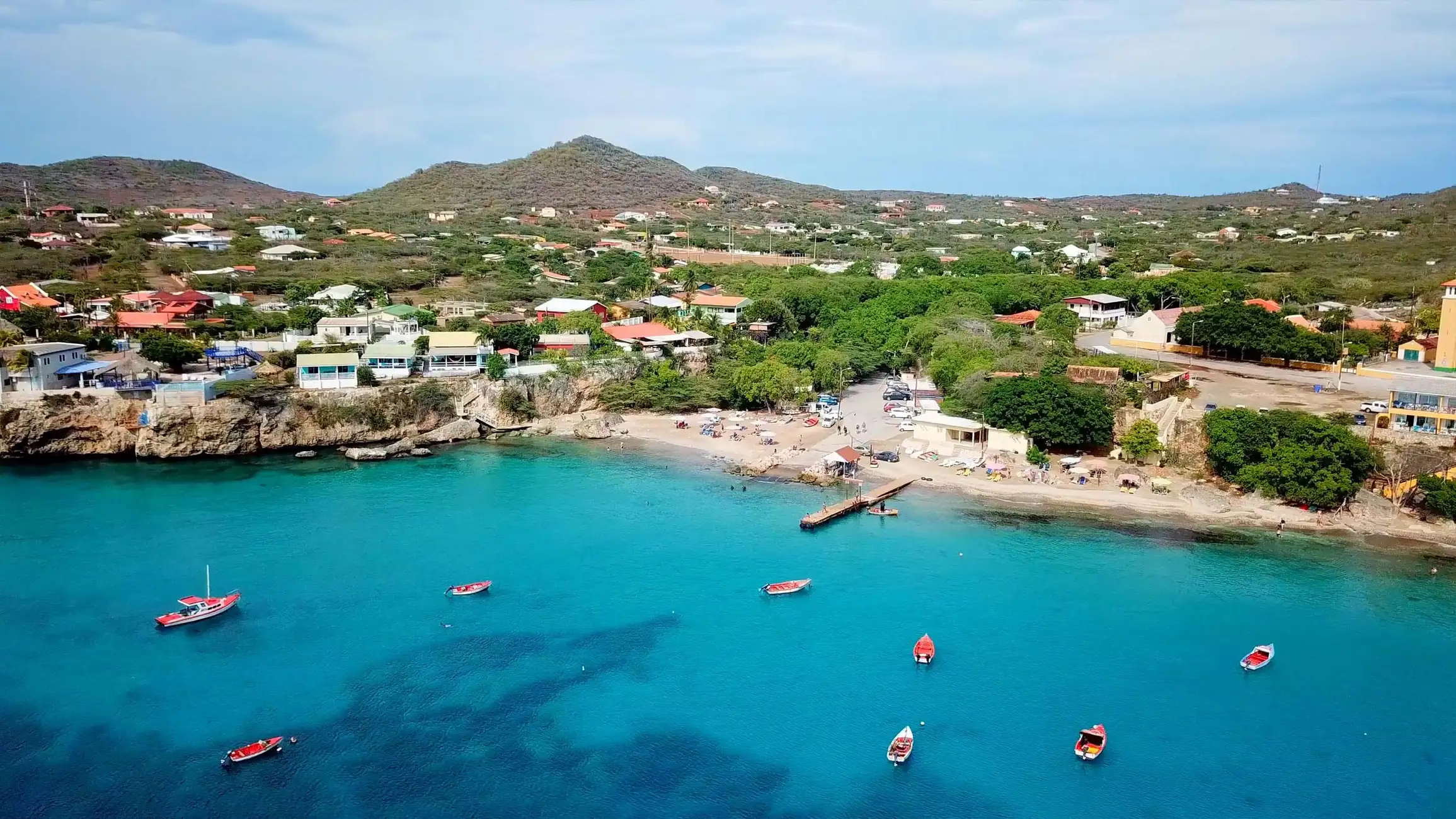
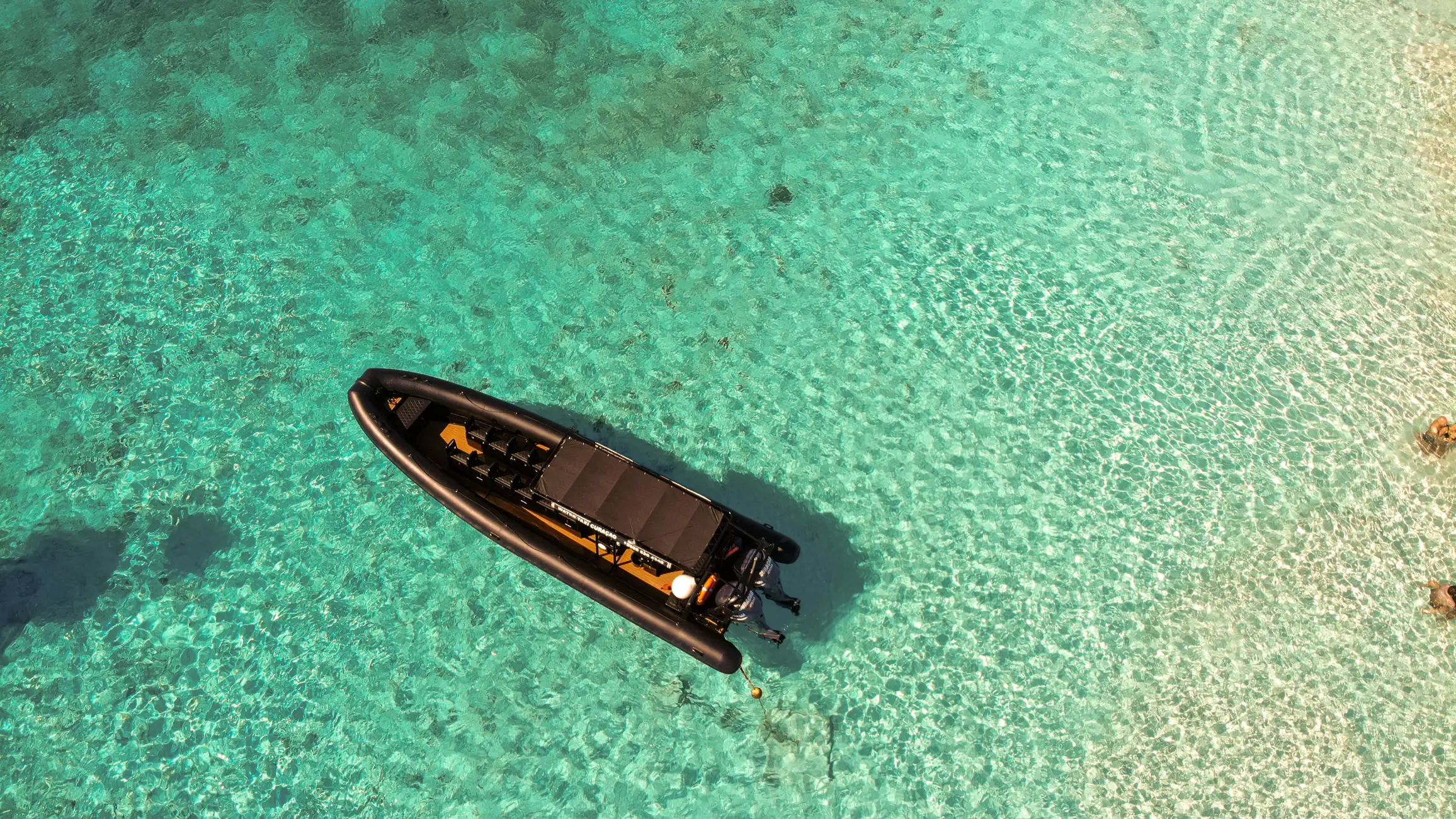
Can you imagine swimming alongside sea turtles in crystal clear waters and exploring a magical cave with glowing blue lights? This boat tour on the west coast of Curaçao takes you straight to paradise. Perfect for nature lovers, couples, families or adventurous travelers looking for an authentic and memorable island experience.
Reserve today

A close encounter with sea turtles

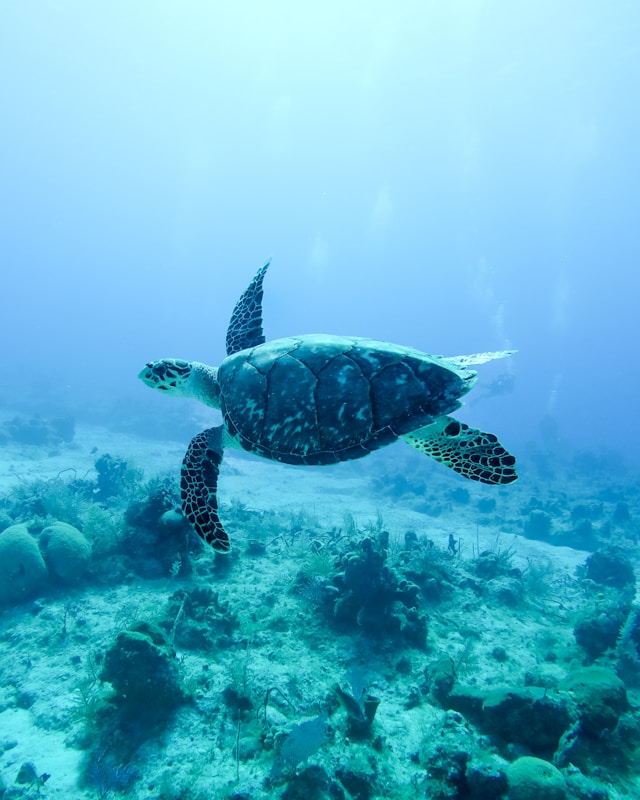
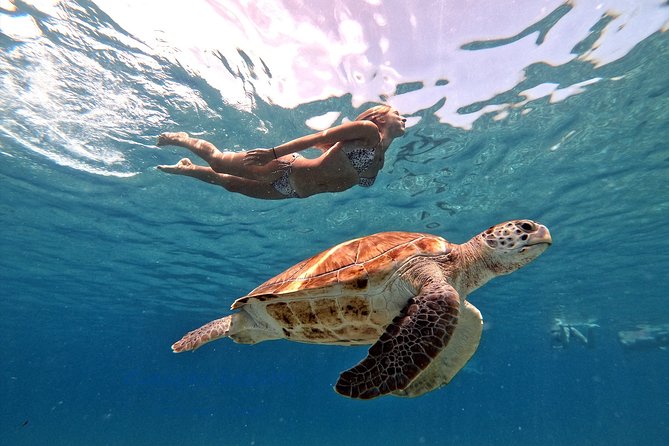
The first stop is the famous Turtle Bay, where you can swim freely with turtles in their natural habitat. The water is shallow, clear and perfect for taking unforgettable pictures. The guides accompany you at all times and help you to maintain a responsible interaction with these amazing animals.

Discover the magical Blue Cave

Then, climb aboard to navigate to the Blue Room (Blue Cave), a hidden gem among the rock formations. You will swim into this marine cave where the sunlight filters through creating a fluorescent blue spectacle that looks like something out of another world. A unique snorkeling experience in the Caribbean!

What does this tour include?

  • Comfortable and safe boat transportation

  • Expert local guide (English, Spanish and Dutch speaking)

  • Snorkeling equipment included

  • Refreshments and snacks on board

  • Life jackets available

  • Departure from Piskado Beach (Westpunt)

  • Duration: approximately 3.5 hours

  • Small groups for more personalized attention

Benefits Highlights

  • Opportunity to swim with turtles in their natural habitat

  • Ideal for all levels of experience (even beginners)

  • Perfect for unforgettable photos and videos.

  • Visit to two of the most emblematic places in western Curaçao.

  • Safe, educational and fun activity


Book early and secure your place!

This tour is one of the most popular on Curaçao, and spots fill up quickly, especially during peak season.
Reserve your spot here in advance and get ready for an unforgettable day in this Caribbean paradise.
Electric Scooter Tour in Curaçao

Electric Scooter Tour in Curaçao

Electric Scooter Tour in Curaçao

Home 9 Tag: Curazao ( Page 2 )

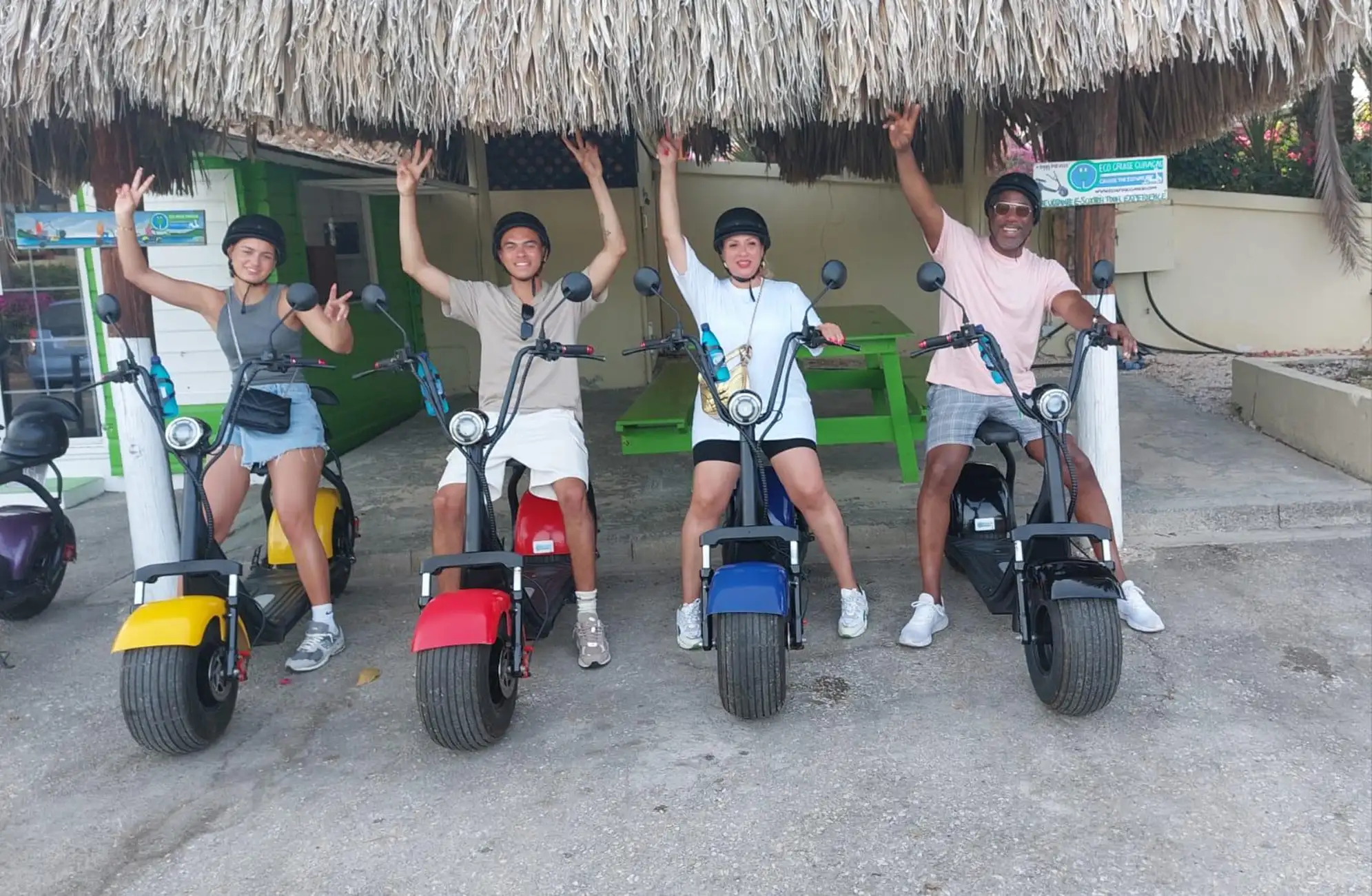
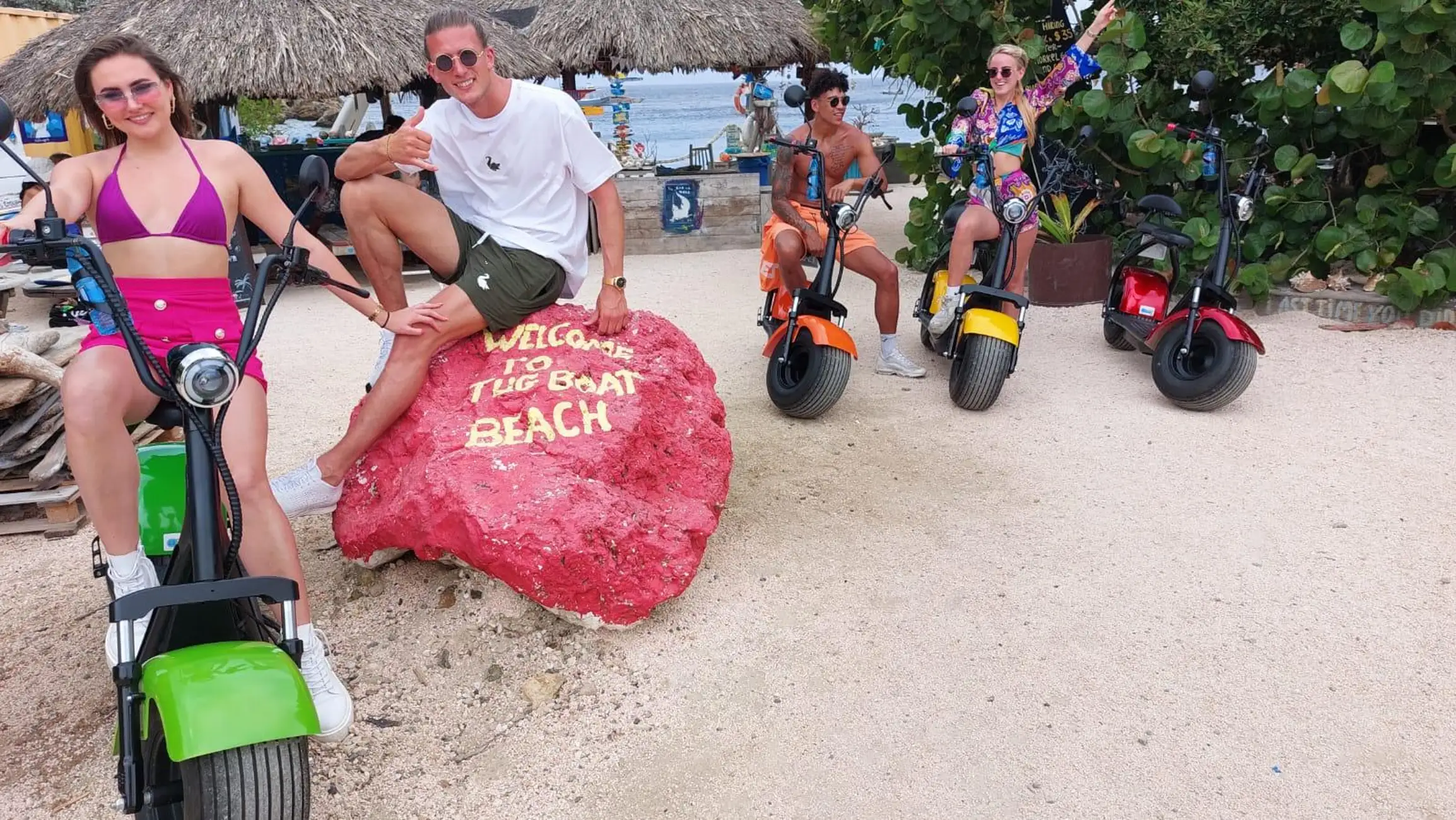
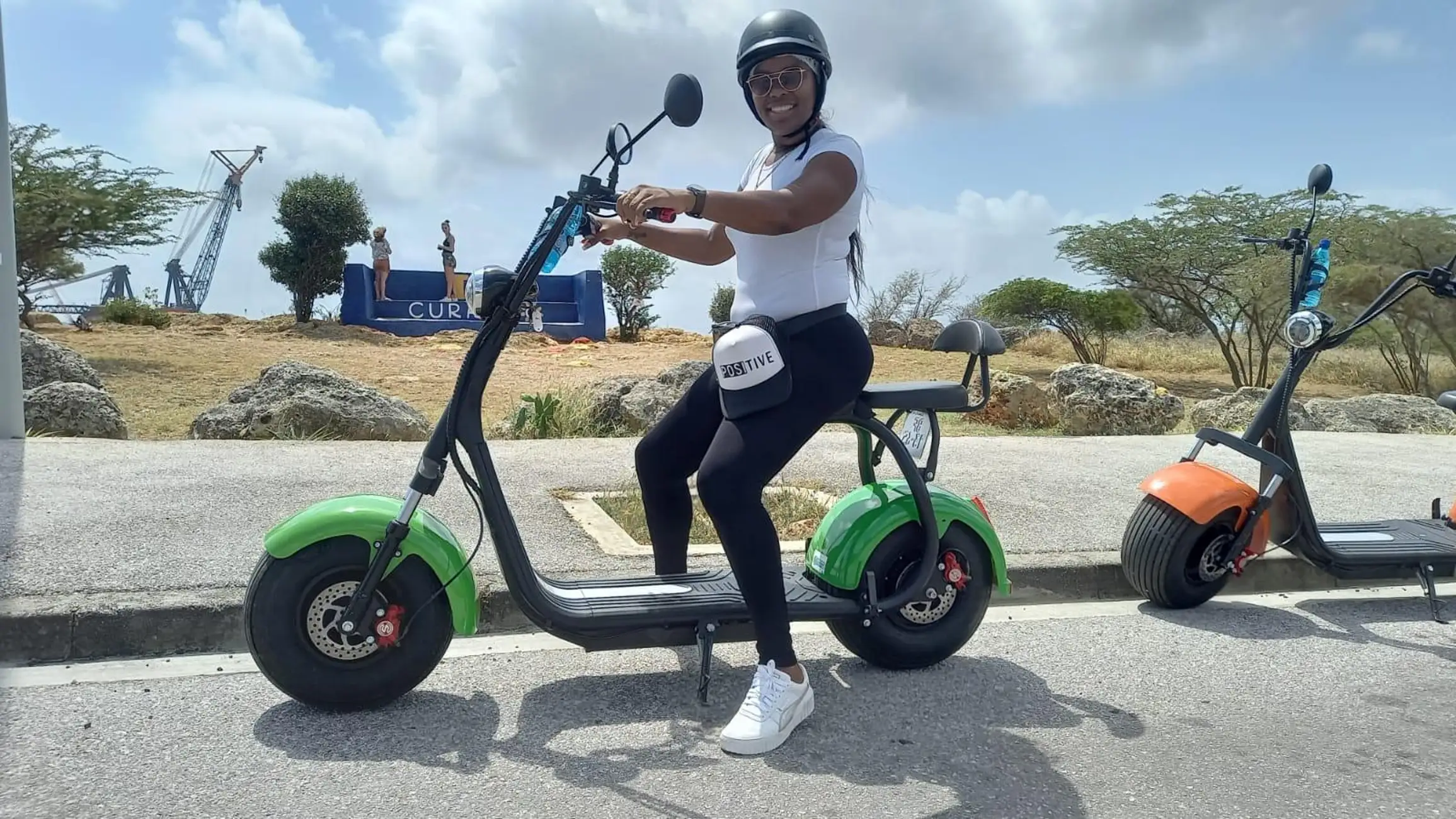
Can you imagine exploring Curaçao’s most breathtaking landscapes with the Caribbean breeze caressing your face? This electric scooter adventure through the southeastern part of the island is much more than just a ride—it’s a unique experience that lets you discover the history, culture, and natural landscapes in a fun, eco-friendly, and exciting way.

Whether you're traveling alone, as a couple, or with friends, this tour is perfect for anyone who wants to step outside the box and experience Curaçao from a different perspective.

Book here

What does this experience include?

  • High-quality electric scooter that's easy to ride and quiet.

  • A professional local guide who will accompany you throughout the tour, sharing interesting facts and secrets about the island.

  • Stops at iconic locations such as Fort Beekenburg, Tugboat Beach, and Caracasbaai.

  • Free time to swim or snorkel at beaches with crystal-clear waters.

  • Helmet and safety gear included.

  • Bottled water to keep you hydrated under the Caribbean sun.

  • 🕐 Tour duration: approx. 2.5 hours. Daily departures at flexible times in the morning and afternoon.


Why choose this electric scooter tour?

✔️ Eco-friendly and quiet

Drive without polluting or making annoying noises. Electric scooters are a sustainable option for exploring without harming the natural environment.

✔️ An off-the-beaten-path route

Forget about traditional sightseeing tours. This itinerary takes you off the beaten path, where you can feel like a local and connect with the true essence of Curaçao.

Perfect for all ages

No prior experience is necessary. It's easy, comfortable, and very safe! Perfect for both adventurers and those looking for a relaxing activity.


📌 Tip: Book in advance!

This tour is one of the most highly rated by visitors who want to venture off the beaten path. Spots are limited and sell out quickly, especially during peak season.

👉 Book your spot in advance here and get ready to enjoy one of the best experiences of your trip to Curaçao.

Where to Stay in Curaçao: Choose the Best Area for Your Trip

Where to Stay in Curaçao: Choose the Best Area for Your Trip

Where to Stay in Curaçao: Choose the Best Area for Your Trip

Home 9 Tag: Curazao ( Page 2 )

Are you planning your vacation in Curaçao and don't know where to stay? This guide is designed especially for Spanish-speaking travelers who want to enjoy the best of the island. We help you understand which area best suits your travel style, your budget and your interests: paradisiacal beaches, nightlife, local culture or total tranquility.

🗺️ Where is Curaçao located and how is the island organized?

Curaçao is a Caribbean island belonging to the Kingdom of the Netherlands, located off the coast of Venezuela. The capital is Willemstad, a UNESCO World Heritage Site. The island is divided into several key areas for tourism, which we will explain below.

Best Areas to Stay in Curaçao

Pietermaai District (Willemstad)

Ideal for: Cultural travelers, nightlife, fine dining.

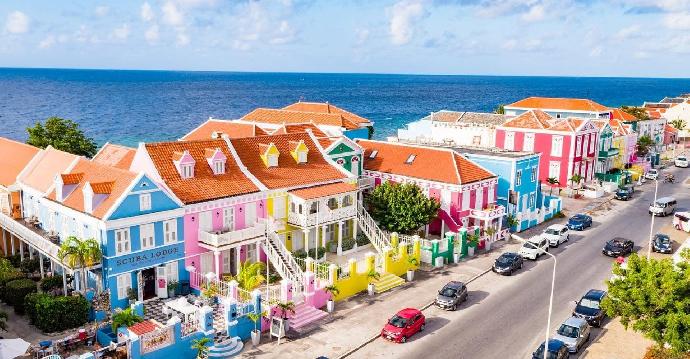
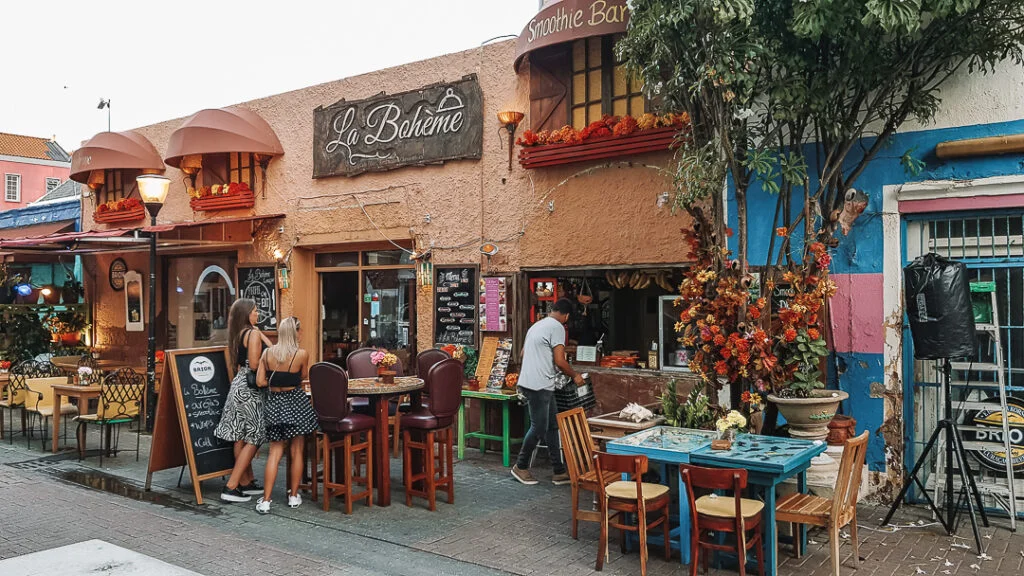
This colorful bohemian neighborhood is full of history, live music and restored buildings. You can walk to the famous Queen Emma Bridge, visit the Kura Hulanda Museum or enjoy waterfront restaurants.

Advantages:

  • Central and secure

  • Good offer of boutique hotels

  • Ideal for a night out

Disadvantages:

  • Some areas may be noisy

2. Mambo Beach / Sea Aquarium Beach

Ideal for: Families and travelers looking for comfort with everything close at hand.

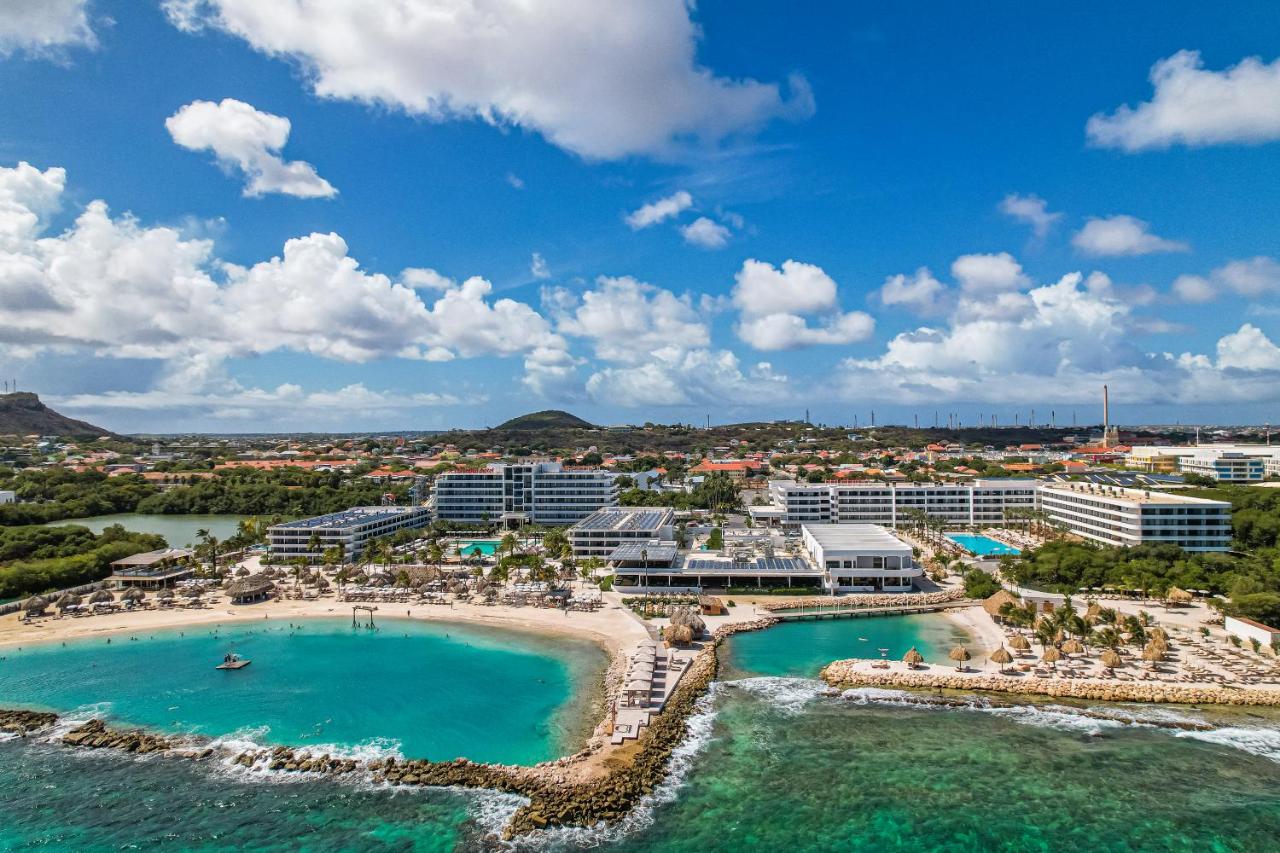
This area combines beach, restaurants, shopping and nightlife in one place. Perfect for those who want a hassle-free vacation.

Advantages:

  • Accessible beach with sun loungers and services

  • Ideal for children

  • Good nightlife

Disadvantages:

  • Can be very crowded in high season

Jan Thiel Beach

Ideal for: Couples, luxury travelers and those seeking total relaxation.

One of the most exclusive areas of Curaçao. Jan Thiel offers resorts, private villas, spas and elegant beachfront restaurants.

Advantages:

  • Very safe area

  • Modern facilities

  • Organized aquatic activities

Disadvantages:

  • Higher prices

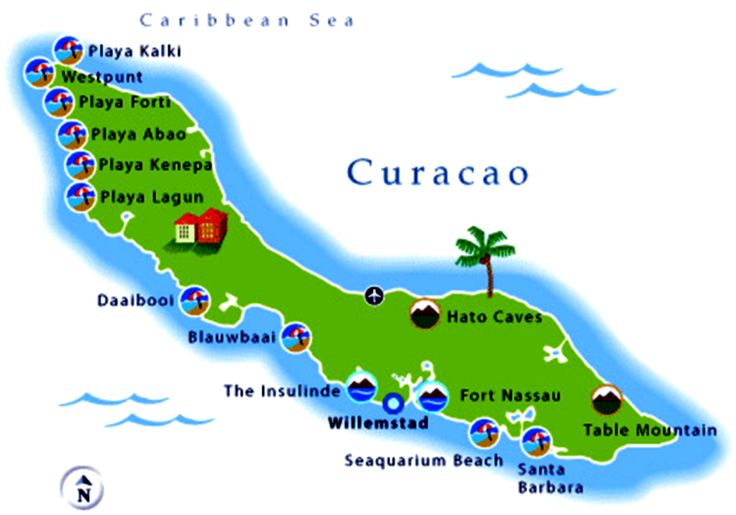
    4. Westpunt and Kalki Beach

    Ideal for: Lovers of diving, nature and tranquility.

    Located in the far west, these areas offer pristine beaches, absolute tranquility and some of the best snorkeling and diving on the island.

    Advantages:

    • Quiet getaway

    • Nature and marine fauna

    • Small and cozy hotels

    Disadvantages:

    • Farthest from Willemstad (40-50 min by car)

    • Car rental recommended

    Curaçao: Complete Travel Guide with Updated Frequently Asked Questions (FAQ)

    Curaçao: Complete Travel Guide with Updated Frequently Asked Questions (FAQ)

    Curaçao: Complete Travel Guide with Updated Frequently Asked Questions (FAQ)

    Home 9 Tag: Curazao ( Page 2 )

    ABOUT CURAZAO

    Curaçao is a Caribbean island that combines picture-perfect beaches, a vibrant culture, and an impressive tourism infrastructure. But if you’re thinking about traveling there, you’re probably wondering: Do I need a visa? Which beaches should I definitely visit? Is it safe? This FAQ-style guide is designed to give you clear, quick, and helpful answers. Whether you’re looking for advice on transportation, food, lodging, or activities, here’s everything you need to plan your trip to Curaçao like a true expert.

    TOURS IN CURAZAO

    HOTELS IN CURACAO

    ADMISSION AND DOCUMENTATION

    Do I need a visa to enter Curaçao?

    Citizens of the EU, the U.S., Canada, the United Kingdom, and most Latin American countries (such as Argentina, Chile, and Mexico) do not need a visa for tourist stays of up to 90 days.

    Travelers from countries such as Cuba, Haiti, or Venezuela do need a visa. Check with the nearest consulate or on Curaçao’s official immigration website.

    Read my guide to the Requirements and Documents Needed to Visit Curaçao

    ARRIVAL IN CURAZAO

    Which airlines fly to Curaçao?

    • From South America: Avianca, Copa Airlines, Wingo, Surinam Airways.

    • From the U.S.: American Airlines, JetBlue, Delta.

    • From Europe: KLM and TUI offer direct flights from Amsterdam.

    • There are also inter-island flights from Aruba and Bonaire operated by Divi Divi Air or EZAir.

    Are there ferries between the Caribbean islands?

    No. There is currently no international ferry service to Curaçao. Only flights.

    Read my guide to Flights to Curaçao

    MONEY AND COSTS

    What currency is used in Curaçao?

    • Antillean guilder (ANG). Its value is stable: 1 USD ≈ 1.75 ANG.

    • The U.S. dollar is widely accepted at hotels, restaurants, and in taxis.

    Can I pay by card?

    Yes. International credit cards (Visa, MasterCard, American Express) are accepted. Not all places accept debit cards or contactless payments.

    Is Curaçao expensive?

    • Accommodations: From $25 at hostels to $300+ at resorts.

    • Food: From $10 at local eateries to $50+ at gourmet restaurants.

    • Transportation: Car rentals starting at $30/day. Local bus ~$1 USD.

    Read my guide to Curaçao's new currency in 2025

    TRANSPORTATION ON THE ISLAND

    Do I need to rent a car?

    It's not mandatory, but it's highly recommended if you want to explore secluded beaches or get around freely. Public transportation is limited and infrequent.

    Is there an Uber?

    No. There is no Uber or other similar apps in Curaçao. Only traditional taxis (fixed rates, no meter).

    How does public transportation work?

    • There are two types of minibuses: official "Konvoi" and informal "buses."

    • They don't have set hours.

    • They're cheap, but slow and unpredictable.

    • They don't operate at night.

    Read my guide to Transportation in Curacao

    BEACHES AND NATURE

    What are the best beaches?

    • Kenepa Grandi Beach (Grote Knip): Scenic, turquoise waters, free.

    • Cas Abao: Private beach, ideal for snorkeling ($6 admission per car).

    • Mambo Beach: Popular, with bars and amenities; admission is free, but you have to pay for chairs.

    • Lagun Beach: Quiet, ideal for seeing turtles.

    • Porto Mari Beach: Beautiful, with cold beer and great diving.

    Is it possible to go snorkeling or scuba diving?

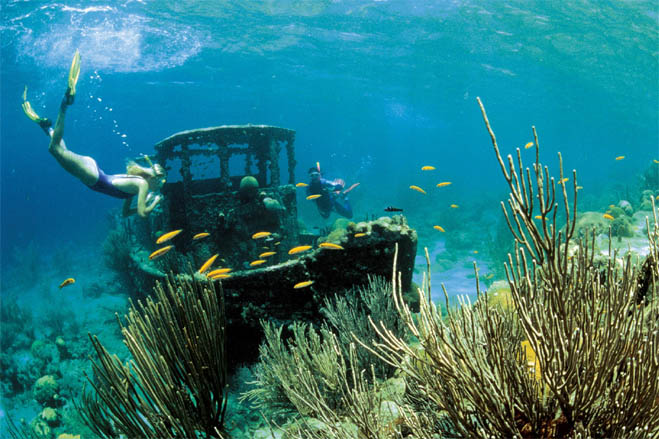
    Yes, and that's one of the main attractions. Places like Tugboat, Mushroom Forest, and Playa Kalki are perfect. There are dozens of certified diving schools.

    Read my guide to itineraries in Curaçao

    CULTURE AND CUISINE

    What language is spoken there?

    • Papiamento (local creole language).

    • Spanish, English, and Dutch are also widely spoken.

    What are some typical dishes?

    • Keshi Yena: cheese stuffed with meat or chicken.

    • Stobá: beef or goat stew.

    • Pastechi: stuffed empanadas.

    • Stewed iguana: exotic, yet traditional.

    • Bolo Pretu: fruit and rum cake.

    Where can I find good food?

    • Plasa Bieu in Willemstad: local cuisine and affordable prices.

    • The Gouverneur de Rouville: canal views, excellent Creole cuisine.

    • Baoase Culinary Beach Restaurant: upscale, perfect for romantic dinners.

    Read my guide to traditional food in Curaçao

    ACCOMMODATIONS

    Where's the best place to stay?

    • Willemstad (Punda/Otrobanda): centrally located, ideal for getting around on foot and exploring its history.

    • Jan Thiel: a modern tourist area with resorts and nightlife.

    • Westpunt: secluded, nature, and pristine beaches.

    Are there any affordable options?

    Yes. Hostels, guesthouses, and Airbnbs starting at $25–40 per night.

    Read my guide to accommodations in Curaçao

    CONNECTIVITY

    How can I get Internet access in Curaçao?

    • Many accommodations offer free Wi-Fi.

    • You can buy a local prepaid SIM card (Digicel or Flow) for about $10 USD with data.

    • Or use international roaming, but it can be expensive.

    Read my guide on how to buy a SIM card in Curaçao

    HEALTH AND SAFETY

    Is Curaçao safe?

    Yes, it's one of the safest destinations in the Caribbean. But please take the following precautions:

    • Don't leave valuables in cars or on beaches.

    • Avoid walking alone at night in isolated areas.

    • Use ATMs in public places and during the day.

    Do I need any vaccinations?

    There are no mandatory vaccinations for entry. However, the following are recommended:

    • Yellow fever (if you are coming from an endemic area).

    • Basic vaccinations up to date (hepatitis A/B, tetanus).

    Is tap water safe to drink?

    Yes. The water in Curaçao is 100% safe to drink and of high quality. It is produced through desalination.

    EVENTS AND NIGHTLIFE

    When is the Curaçao Carnival?

    Between February and March. It lasts several weeks and features colorful parades, concerts, and street parties.

    Is there a nightlife scene?

    Yes. Especially in Mambo Beach and Jan Thiel. Bars like Wet & Wild, Zanzibar, and Hemingway are popular.

    Read my guide to nightlife in Curaçao

    CLIMATE AND BEST TIME OF YEAR

    What is the climate like in Curaçao?

    • Dry tropical climate. Average temperature: 28–32°C year-round.

    • Dry season: January through September.

    • Light rain: October through December (doesn't affect tourism much).

    Is it in the hurricane path?

    No. Curaçao is outside the hurricane belt, which is why it's an ideal destination year-round.

    Read my guide to the weather in Curaçao

    FINAL TIPS

    • Wear biodegradable sunscreen: it helps protect the reefs.

    • Do not touch or take any coral, shells, or starfish.

    • Bring water shoes: some beaches are rocky.

    • Learn a few words in Papiamento: “Bon bini” (welcome), “danki” (thank you), “por fabor” (please).

    • Respect nature: many areas are marine reserves.

    THE BEST OF CURACAO

    Curaçao, Aruba, or Bonaire? Price Comparison and Travel Guide

    Curaçao, Aruba, or Bonaire? Price Comparison and Travel Guide

    Curaçao, Aruba, or Bonaire? Price Comparison and Travel Guide

    Home 9 Tag: Curazao ( Page 2 )

    Are you planning a vacation to the Caribbean and not sure whether to choose Curaçao, Aruba, or Bonaire? Although all three islands are part of the former group known as the ABC Islands, each has its own personality, costs, and attractions. In this guide, we’ll help you answer the big question: Is Curaçao cheaper than Aruba or Bonaire? We’ll also offer useful tips on accommodations, transportation, and what to see on each island.

    Price Comparison: Which island is the most affordable?

    Curaçao is generally more affordable than Aruba, and in some respects, more affordable than Bonaire as well. Here’s a breakdown of the average costs on each island:

    Concept Curaçao Aruba Bonaire
    Accommodations $$ $$$$ $$-$$$
    Local Food $ $$ $
    Car Rental $$ $$$ $$
    Activities $$ $$$ $$

    Conclusion: If you're on a tight budget, Curaçao and Bonaire are more budget-friendly. Aruba tends to be more luxurious and expensive, especially when it comes to accommodations and tourist restaurants.


    How to Get Around Curaçao, Aruba, and Bonaire

    Transportation in Curaçao

    • Local buses (Konvoi): Inexpensive, though not very frequent. They work well for main routes.

    • Private minivans: Faster and more direct than buses, ideal for medium distances.

    • Car rental: Highly recommended if you want to explore the island at your own pace. Prices start at $35 per day.

    • Taxis: They're expensive and don't use meters. Be sure to agree on the price beforehand.

    Transportation in Aruba

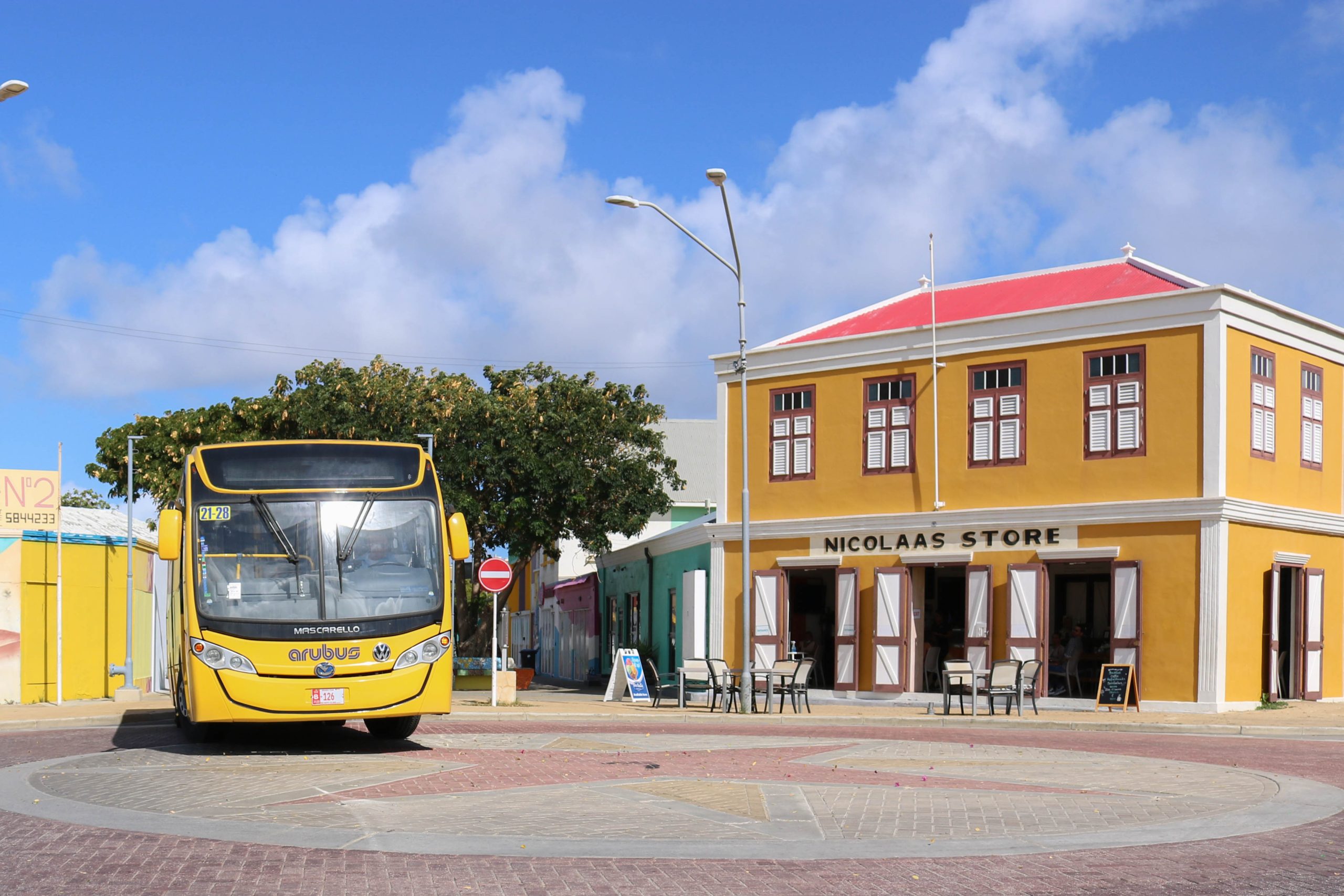
    • Public buses (Arubus): Efficient and with good coverage, ideal for tourists.

    • Car or scooter rentals: Perfect for exploring remote beaches.

    • Taxis: Fixed rates, more expensive than in Curaçao.

    Transportation in Bonaire

    • Bicycles or scooters: Very popular for short distances.

    • Car rental: Recommended if you're visiting Washington Slagbaai National Park.

    • There is no regular public transportation, so you'll have to rely on rental cars or taxis.

    Accommodation Recommendations

    Curaçao

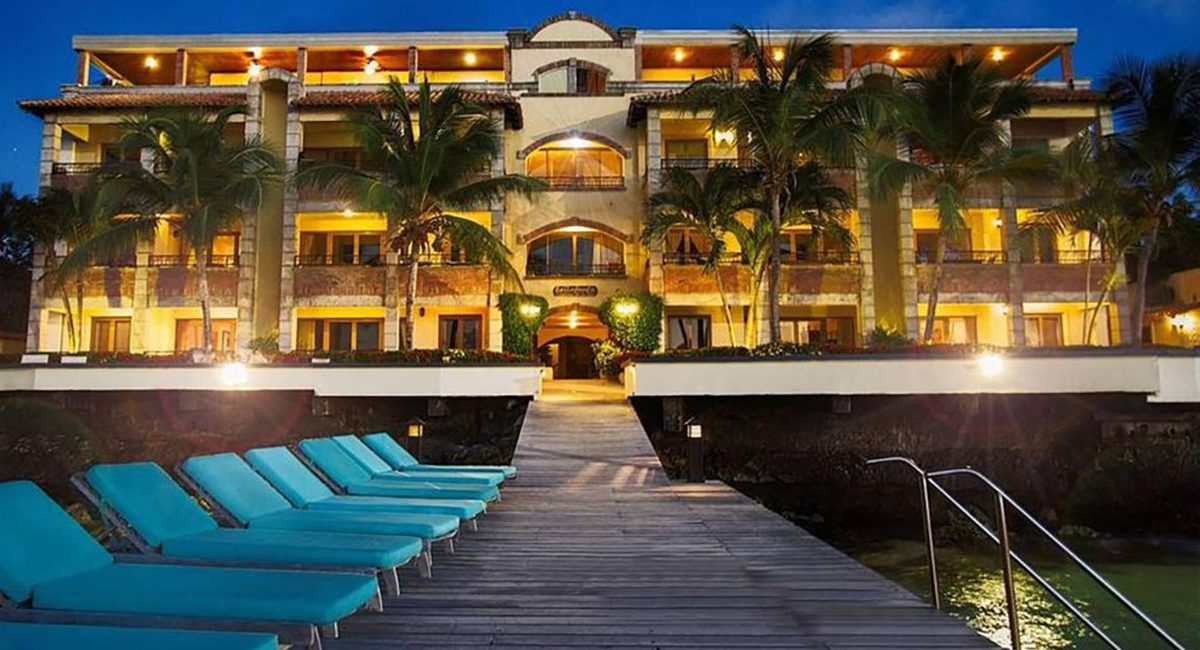
    Aruba

    Bonaire

    Things to do in Curaçao, Aruba and Bonaire: Must-see places

    Curaçao

    • Willemstad and the Queen Emma Bridge - A stroll through the colonial World Heritage City.

    • Kenepa Grandi Beach - One of the most beautiful beaches in the Caribbean.

    • Shete Boka Park - Ideal for nature lovers and wild landscapes.

    • Kura Hulanda Museum - Afro-Caribbean history and culture.

    ➡️ Discover more things to do in Curaçao here

    Aruba

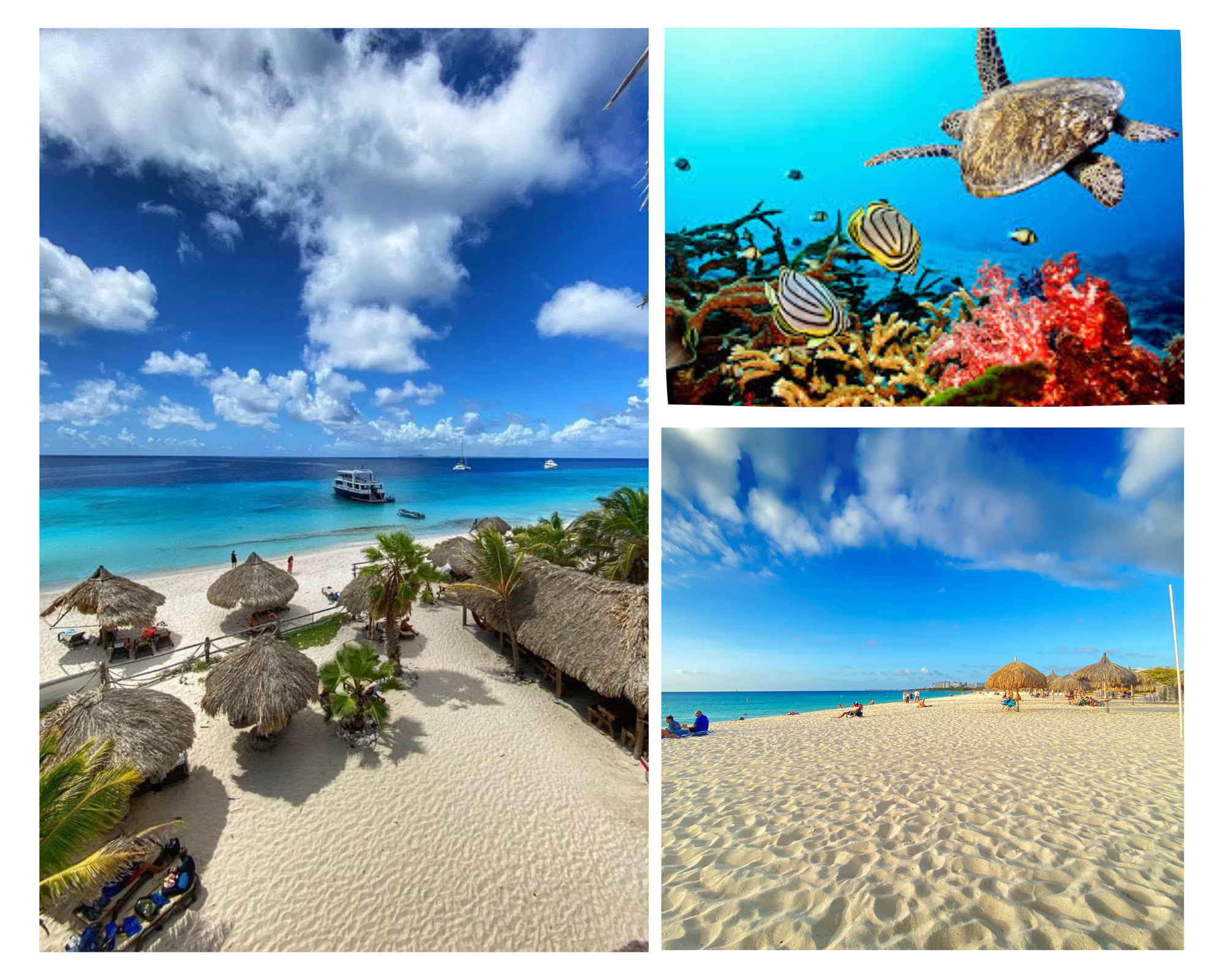
    • Eagle Beach - Award-winning beach for its beauty and tranquility.

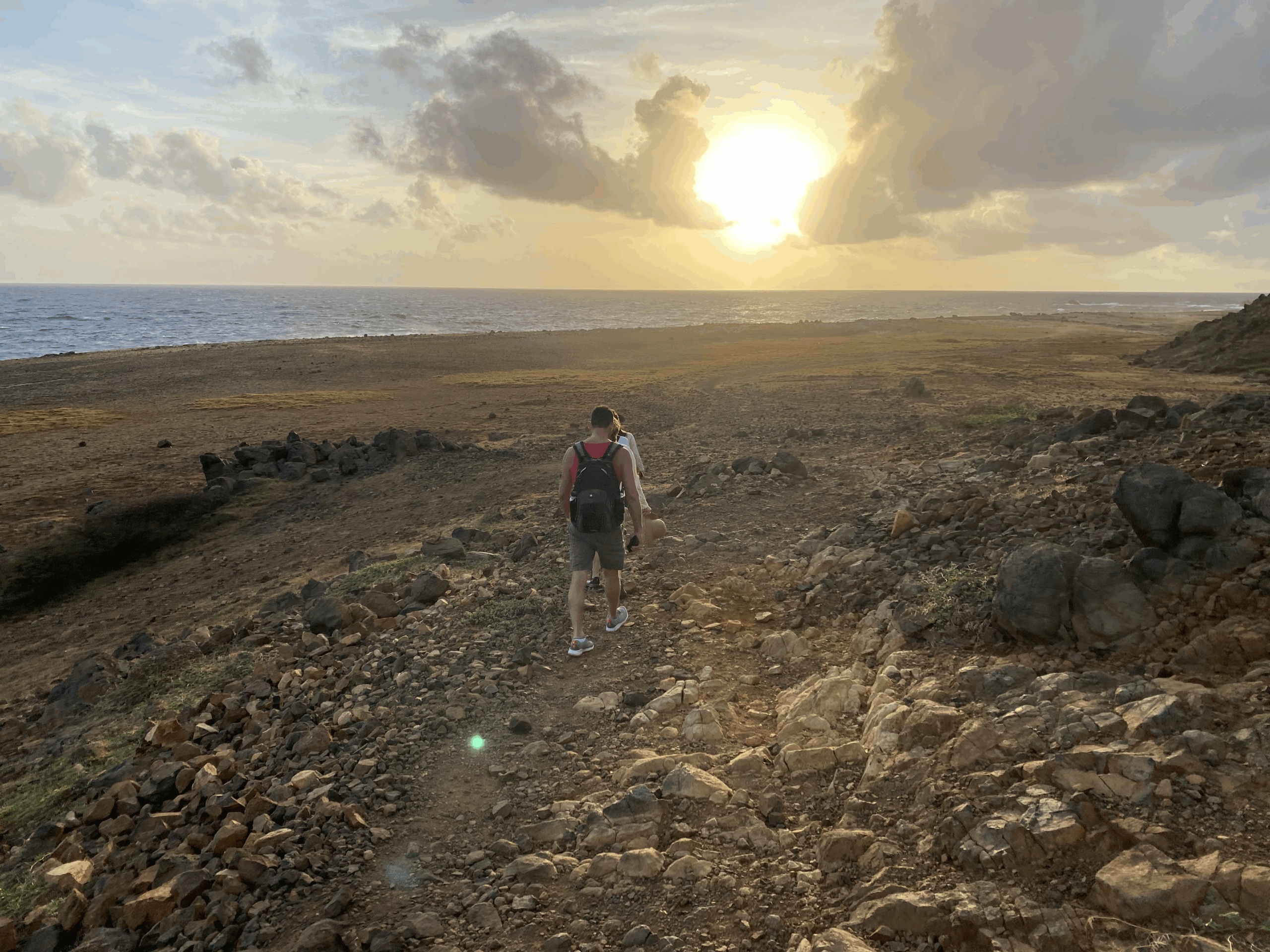
    • Arikok National Park - Caves, local fauna and hiking.

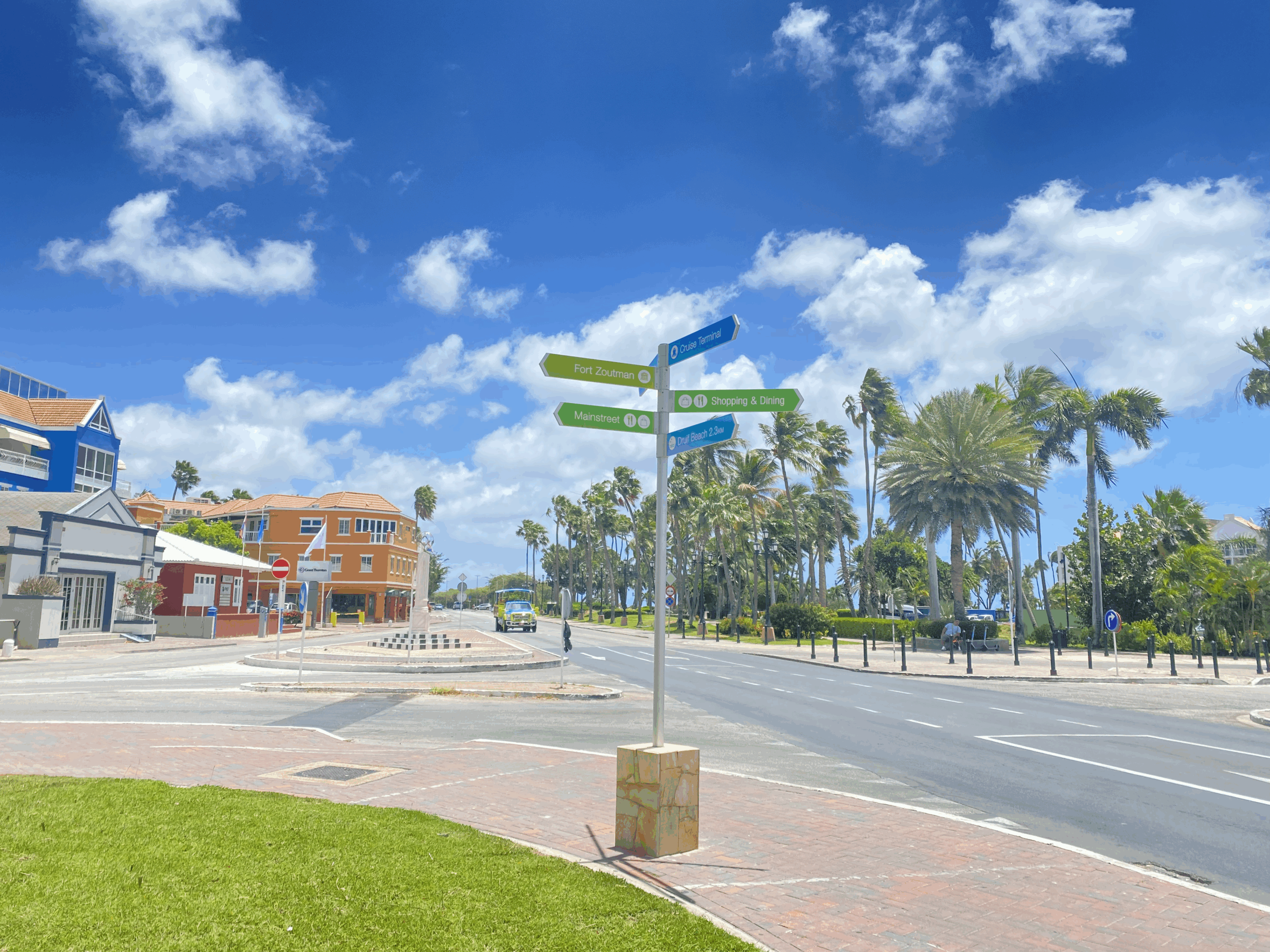
    • Oranjestad - Vibrant capital city with Dutch colonial architecture.

    Bonaire

    • Diving and snorkeling - Bonaire is famous for its reefs accessible from the shore.

    • Lake Goto - Ideal to see flamingos.

    • 1000 Steps Beach - It's not a thousand, but the scenery is incredible.

      Conclusion: Which one to choose?

      If you are looking for economy and diversity, Curaçao is your best option. It has a vibrant mix of culture, spectacular beaches and reasonable prices. Bonaire is ideal if you love diving and tranquility. Aruba, on the other hand, is perfect for those who want luxury, comfort and postcard beaches... as long as your budget allows it.