
Is it possible to travel by ferry from Curaçao or Aruba to Bonaire?

Is it possible to travel by ferry from Curaçao or Aruba to Bonaire?

Home 9 Tag: ABC islands

One of the most common questions among travelers visiting the ABC Islands (Aruba, Bonaire, and Curaçao) is whether it’s possible to travel by ferry between these islands. And although it might seem logical at first glance, the short answer is no: there is currently no regular ferry service between Aruba, Curaçao, and Bonaire.

Why aren't there any ferries between the islands?

Although these islands are relatively close to each other geographically (for example, Bonaire is only 80 km from Curaçao), several factors prevent the establishment of a regular ferry service:

  • Strong ocean currents, which make safe and steady travel difficult.

  • Lack of adequate port infrastructure for passenger and vehicle ferries.

  • Low economic viability: Studies have concluded that there is not enough demand to sustain a daily or regular ferry service.

  • High operating costs, especially when considering international safety and comfort standards.

So, how do you travel between the islands?

The only practical and available way to travel between Aruba, Bonaire, and Curaçao is by plane. Several regional airlines operate routes between the islands:

  • Divi Divi Air

  • EZ Air

  • E-Liner Airways

The flights are short (about 20 to 30 minutes), but the travel process isn't as simple as flying there and back on the same day without any formalities.

Can I go and come back the same day?

Technically, yes, but it’s not as simple or as quick as many people think, especially if you’re coming from a Latin American country with no prior experience traveling this way. Although the islands belong to the same Kingdom of the Netherlands, each one has its own immigration control.

This means that the process for traveling between them is just like any other international trip:

Requirements and Procedures:

  • You should check in at the airport at least 1.5 to 2 hours in advance, even if it's a short flight.

  • You must present your valid passport (an identity card or national ID alone is not accepted, as is the case for flights within South America).

  • You must fill out immigration forms online (such as the ED Card in Aruba or the Digital Immigration Card in Curaçao).

  • You go through security and immigration checks both when you leave and when you arrive.

  • In some cases, if you travel between islands twice on the same day (for example, a round trip from Curaçao to Bonaire), you might have to go through immigration up to four times.

Is it worth going just for one day?

Unless you have a very specific reason, we do not recommend taking a same-day round-trip flight between islands. Although the flight itself is short, the total travel time (check-in, immigration, boarding, arrival, and departure) can take between 3 and 5 hours each way.

Tips for First-Time Travelers

  • Plan to stay at least one night on the island you're visiting.

  • Always carry your passport.

  • Check with your airline about immigration requirements before purchasing your flight.

  • Check to see if you need to fill out any online forms before traveling.

  • Avoid itineraries with tight schedules, especially if you're connecting international flights.

Conclusion

Although the ABC Islands are close to one another, traveling between them isn't like taking a bus between cities. There are no ferries, and flights require going through immigration procedures similar to those for any international trip. If you plan to visit more than one island, it’s best to take your time, spending at least one night on each, and always making sure your documents are in order.

Would you like help planning your route between Aruba, Bonaire, and Curaçao? I can suggest optimized itineraries with realistic time frames.

    ✈️ Ready to fly from Curaçao to Bonaire?

    Avoid complications and secure your seat at the best available rates.
    👉 Book your flight to Bonaire from Curaçao now
    Shelly

    Curacao My Way

    Curaçao: Complete Travel Guide with Updated Frequently Asked Questions (FAQ)

    Curaçao: Complete Travel Guide with Updated Frequently Asked Questions (FAQ)

    Curaçao: Complete Travel Guide with Updated Frequently Asked Questions (FAQ)

    Home 9 Tag: ABC islands

    ABOUT CURAZAO

    Curaçao is a Caribbean island that combines picture-perfect beaches, a vibrant culture, and an impressive tourism infrastructure. But if you’re thinking about traveling there, you’re probably wondering: Do I need a visa? Which beaches should I definitely visit? Is it safe? This FAQ-style guide is designed to give you clear, quick, and helpful answers. Whether you’re looking for advice on transportation, food, lodging, or activities, here’s everything you need to plan your trip to Curaçao like a true expert.

    TOURS IN CURAZAO

    HOTELS IN CURACAO

    ADMISSION AND DOCUMENTATION

    Do I need a visa to enter Curaçao?

    Citizens of the EU, the U.S., Canada, the United Kingdom, and most Latin American countries (such as Argentina, Chile, and Mexico) do not need a visa for tourist stays of up to 90 days.

    Travelers from countries such as Cuba, Haiti, or Venezuela do need a visa. Check with the nearest consulate or on Curaçao’s official immigration website.

    Read my guide to the Requirements and Documents Needed to Visit Curaçao

    ARRIVAL IN CURAZAO

    Which airlines fly to Curaçao?

    • From South America: Avianca, Copa Airlines, Wingo, Surinam Airways.

    • From the U.S.: American Airlines, JetBlue, Delta.

    • From Europe: KLM and TUI offer direct flights from Amsterdam.

    • There are also inter-island flights from Aruba and Bonaire operated by Divi Divi Air or EZAir.

    Are there ferries between the Caribbean islands?

    No. There is currently no international ferry service to Curaçao. Only flights.

    Read my guide to Flights to Curaçao

    MONEY AND COSTS

    What currency is used in Curaçao?

    • Antillean guilder (ANG). Its value is stable: 1 USD ≈ 1.75 ANG.

    • The U.S. dollar is widely accepted at hotels, restaurants, and in taxis.

    Can I pay by card?

    Yes. International credit cards (Visa, MasterCard, American Express) are accepted. Not all places accept debit cards or contactless payments.

    Is Curaçao expensive?

    • Accommodations: From $25 at hostels to $300+ at resorts.

    • Food: From $10 at local eateries to $50+ at gourmet restaurants.

    • Transportation: Car rentals starting at $30/day. Local bus ~$1 USD.

    Read my guide to Curaçao's new currency in 2025

    TRANSPORTATION ON THE ISLAND

    Do I need to rent a car?

    It's not mandatory, but it's highly recommended if you want to explore secluded beaches or get around freely. Public transportation is limited and infrequent.

    Is there an Uber?

    No. There is no Uber or other similar apps in Curaçao. Only traditional taxis (fixed rates, no meter).

    How does public transportation work?

    • There are two types of minibuses: official "Konvoi" and informal "buses."

    • They don't have set hours.

    • They're cheap, but slow and unpredictable.

    • They don't operate at night.

    Read my guide to Transportation in Curacao

    BEACHES AND NATURE

    What are the best beaches?

    • Kenepa Grandi Beach (Grote Knip): Scenic, turquoise waters, free.

    • Cas Abao: Private beach, ideal for snorkeling ($6 admission per car).

    • Mambo Beach: Popular, with bars and amenities; admission is free, but you have to pay for chairs.

    • Lagun Beach: Quiet, ideal for seeing turtles.

    • Porto Mari Beach: Beautiful, with cold beer and great diving.

    Is it possible to go snorkeling or scuba diving?

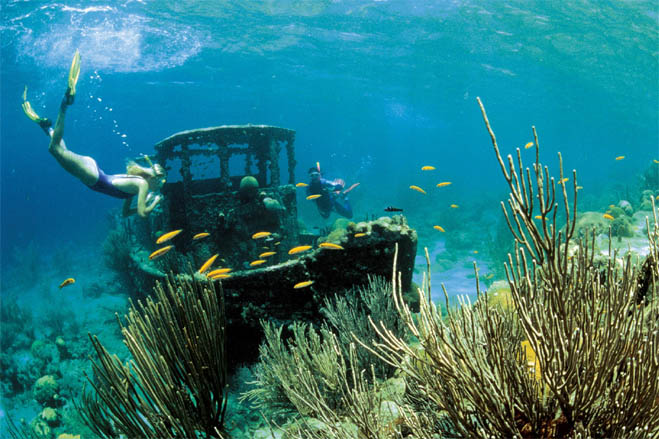
    Yes, and that's one of the main attractions. Places like Tugboat, Mushroom Forest, and Playa Kalki are perfect. There are dozens of certified diving schools.

    Read my guide to itineraries in Curaçao

    CULTURE AND CUISINE

    What language is spoken there?

    • Papiamento (local creole language).

    • Spanish, English, and Dutch are also widely spoken.

    What are some typical dishes?

    • Keshi Yena: cheese stuffed with meat or chicken.

    • Stobá: beef or goat stew.

    • Pastechi: stuffed empanadas.

    • Stewed iguana: exotic, yet traditional.

    • Bolo Pretu: fruit and rum cake.

    Where can I find good food?

    • Plasa Bieu in Willemstad: local cuisine and affordable prices.

    • The Gouverneur de Rouville: canal views, excellent Creole cuisine.

    • Baoase Culinary Beach Restaurant: upscale, perfect for romantic dinners.

    Read my guide to traditional food in Curaçao

    ACCOMMODATIONS

    Where's the best place to stay?

    • Willemstad (Punda/Otrobanda): centrally located, ideal for getting around on foot and exploring its history.

    • Jan Thiel: a modern tourist area with resorts and nightlife.

    • Westpunt: secluded, nature, and pristine beaches.

    Are there any affordable options?

    Yes. Hostels, guesthouses, and Airbnbs starting at $25–40 per night.

    Read my guide to accommodations in Curaçao

    CONNECTIVITY

    How can I get Internet access in Curaçao?

    • Many accommodations offer free Wi-Fi.

    • You can buy a local prepaid SIM card (Digicel or Flow) for about $10 USD with data.

    • Or use international roaming, but it can be expensive.

    Read my guide on how to buy a SIM card in Curaçao

    HEALTH AND SAFETY

    Is Curaçao safe?

    Yes, it's one of the safest destinations in the Caribbean. But please take the following precautions:

    • Don't leave valuables in cars or on beaches.

    • Avoid walking alone at night in isolated areas.

    • Use ATMs in public places and during the day.

    Do I need any vaccinations?

    There are no mandatory vaccinations for entry. However, the following are recommended:

    • Yellow fever (if you are coming from an endemic area).

    • Basic vaccinations up to date (hepatitis A/B, tetanus).

    Is tap water safe to drink?

    Yes. The water in Curaçao is 100% safe to drink and of high quality. It is produced through desalination.

    EVENTS AND NIGHTLIFE

    When is the Curaçao Carnival?

    Between February and March. It lasts several weeks and features colorful parades, concerts, and street parties.

    Is there a nightlife scene?

    Yes. Especially in Mambo Beach and Jan Thiel. Bars like Wet & Wild, Zanzibar, and Hemingway are popular.

    Read my guide to nightlife in Curaçao

    CLIMATE AND BEST TIME OF YEAR

    What is the climate like in Curaçao?

    • Dry tropical climate. Average temperature: 28–32°C year-round.

    • Dry season: January through September.

    • Light rain: October through December (doesn't affect tourism much).

    Is it in the hurricane path?

    No. Curaçao is outside the hurricane belt, which is why it's an ideal destination year-round.

    Read my guide to the weather in Curaçao

    FINAL TIPS

    • Wear biodegradable sunscreen: it helps protect the reefs.

    • Do not touch or take any coral, shells, or starfish.

    • Bring water shoes: some beaches are rocky.

    • Learn a few words in Papiamento: “Bon bini” (welcome), “danki” (thank you), “por fabor” (please).

    • Respect nature: many areas are marine reserves.

    THE BEST OF CURACAO