The Ritz Village Hotel Curaçao: Is it worth staying there?

The Ritz Village Hotel Curaçao: Is it worth staying there?
Home 9 Tag: travel to Curaçao

Curaçao has become one of the Caribbean’s favorite destinations for Latin American travelers seeking idyllic beaches, vibrant culture, and unique experiences. One of the most popular lodging options in Willemstad is The Ritz Village Hotel, located in the historic Scharloo district. But is it really worth staying here?

In this article , we'll walk you through the pros and cons and answer 5 key questions to help you decide if this hotel is right for you.

Benefits of Staying at The Ritz Village Hotel

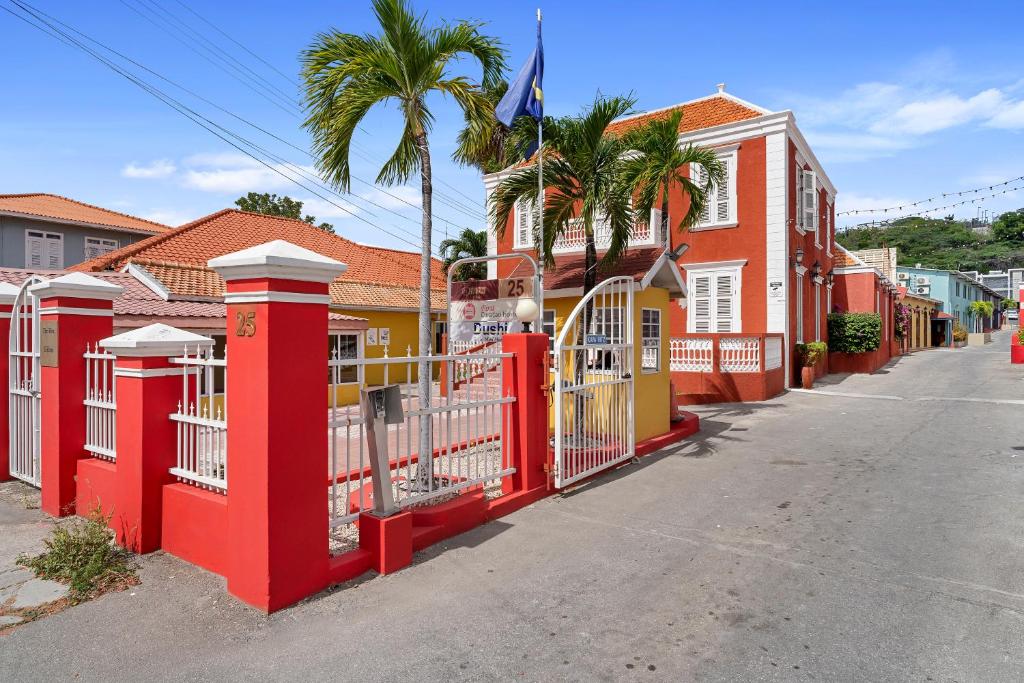
  • Central location: Just a 10-minute walk from Punda and the famous Queen Emma Floating Bridge. Perfect if you want to explore on foot.

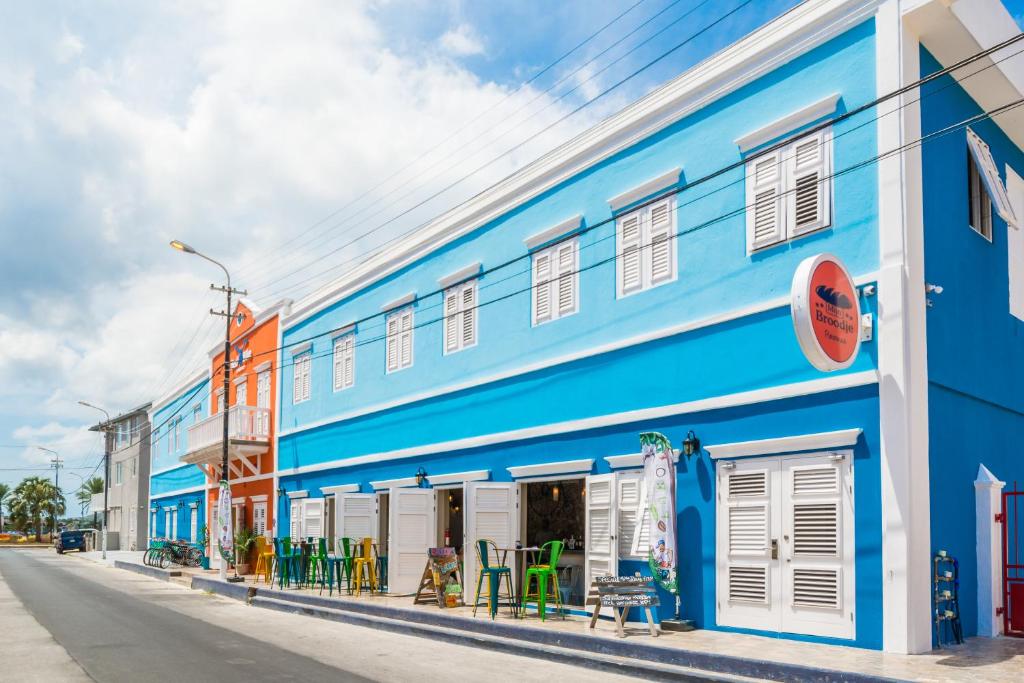
  • Historic charm: The hotel is located in a restored former ice cream factory, which gives it a unique character that sets it apart from other, more modern hotels.

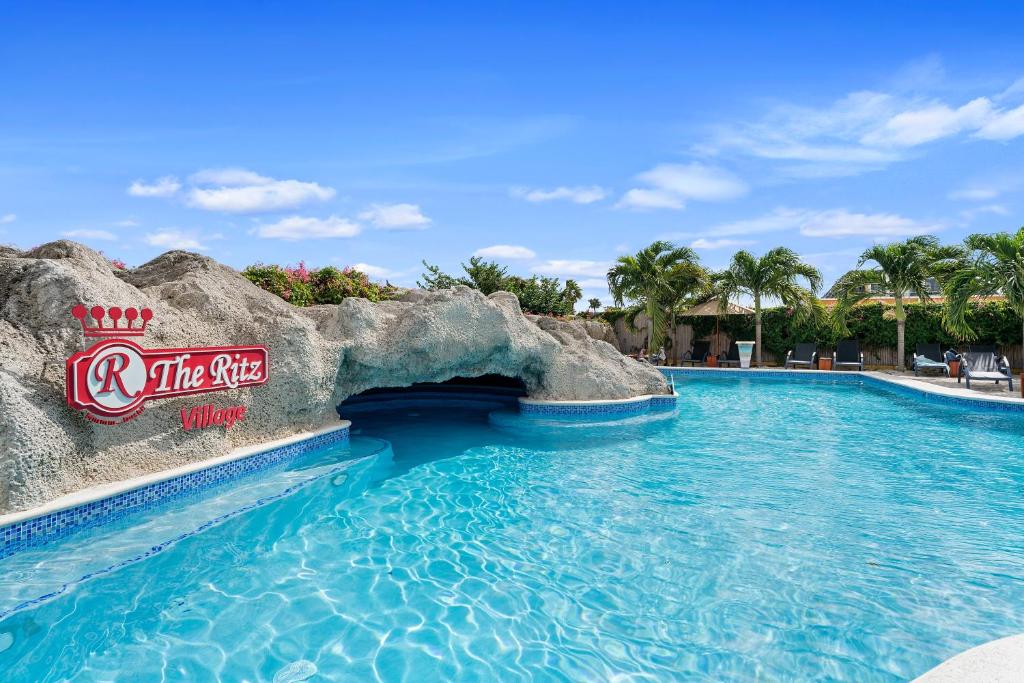
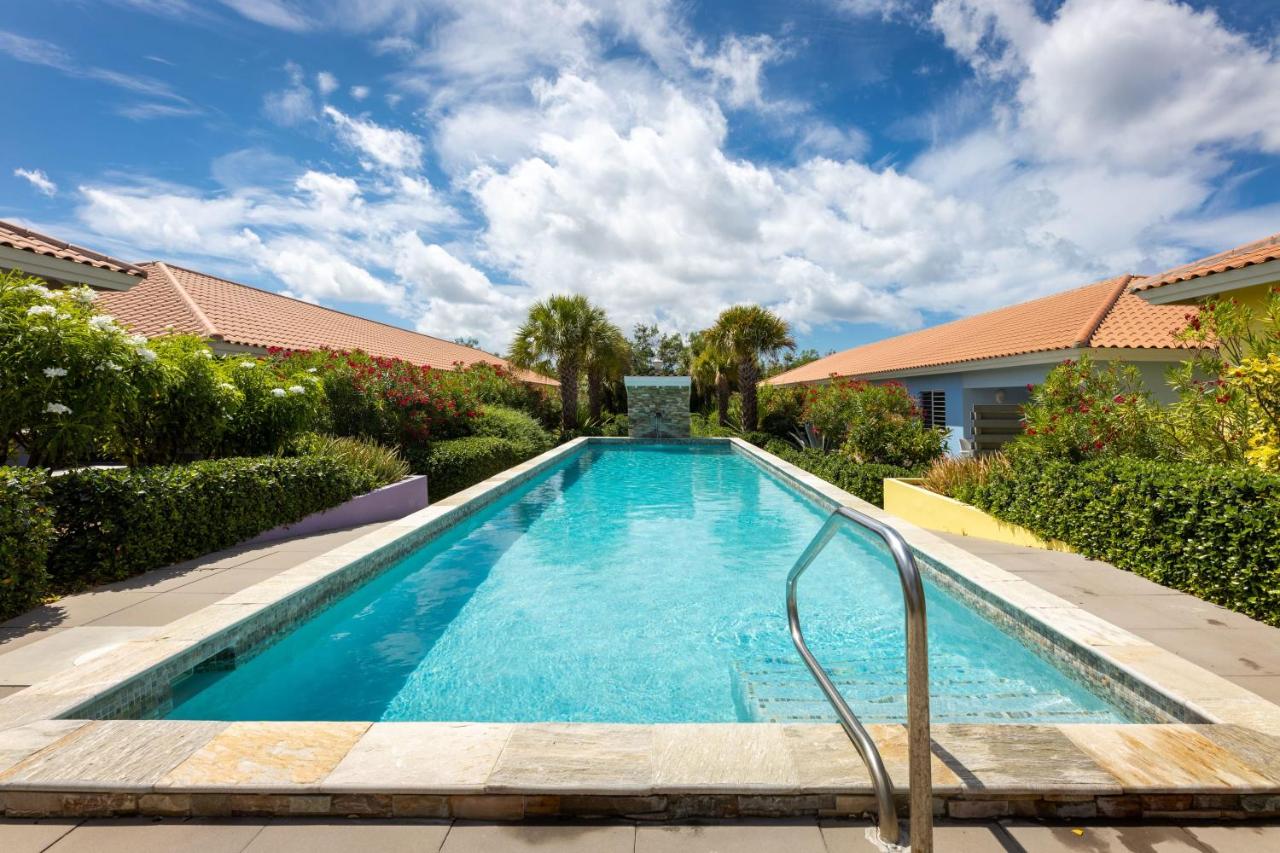
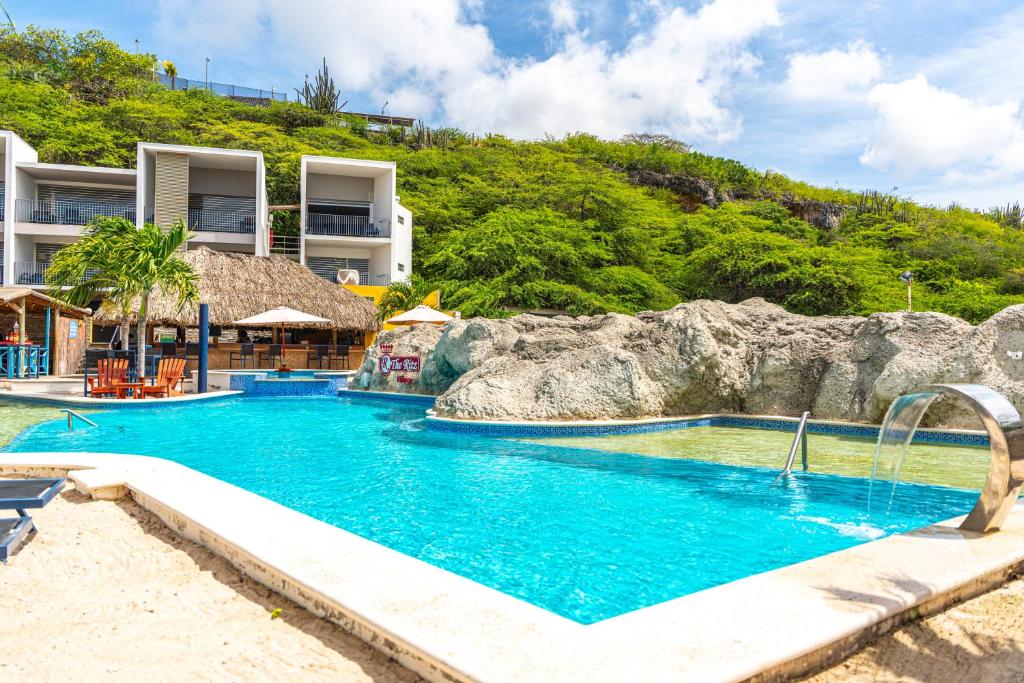
  • Swimming pool and hot tub: The perfect places to relax after a day of exploring.

  • Rooms with kitchens: Ideal for travelers looking to save money by cooking or those with special dietary needs.

  • A peaceful, adults-only atmosphere: The perfect choice if you're looking to unwind without noise or distractions.

Disadvantages to Consider

  • It's not right on the beach: Although it's close to downtown, you'll have to take public transportation to get to the best beaches.

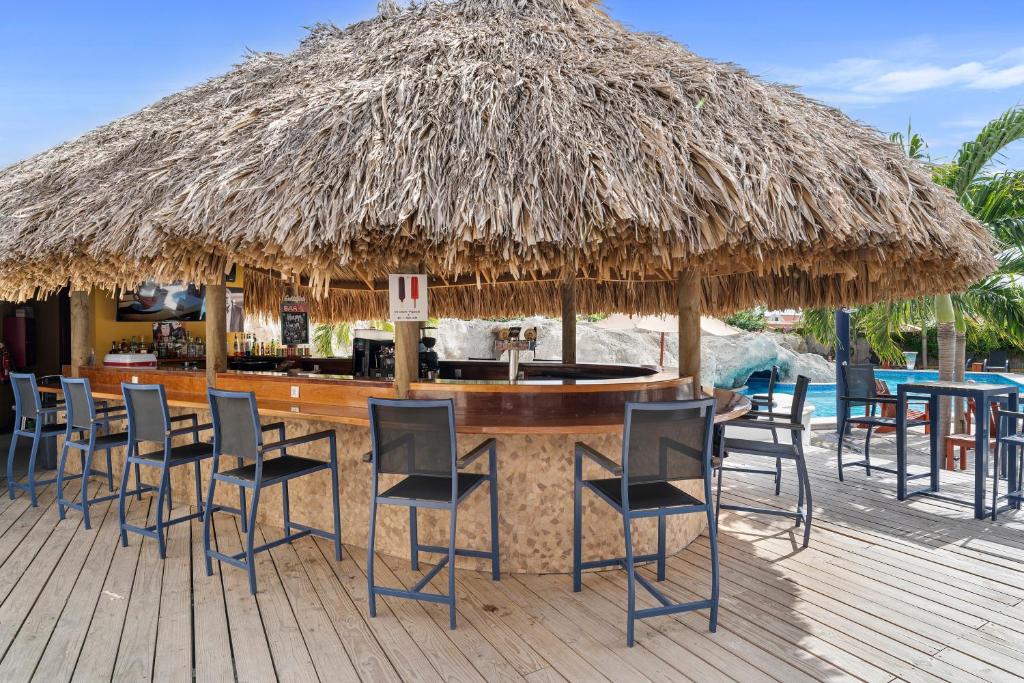
  • Outdoor areas that are poorly maintained, according to some reviews: Some travelers mention that the pool area could be better maintained.

  • Breakfast is not included: Although there are options nearby, this may be an important consideration for some travelers.

Frequently Asked Questions About The Ritz Village Hotel

1. Is it close to the most famous beaches in Curaçao?

It's not right on the beach, but you can drive to Mambo Beach or Jan Thiel Beach in about 10–15 minutes.

2. Is the hotel safe?

Yes, the hotel has 24-hour security and is located in a quiet area of Willemstad.

3. Is cooking allowed in the rooms?

Some rooms are equipped with a kitchenette, which is ideal for long stays or for saving money on meals.

4. Is it a good option for couples?

Absolutely. It's an adults-only hotel, perfect for romantic getaways.

5. Does the hotel have parking?

Yes, it offers free parking for guests.

The Ritz Village Hotel is ideal if you're looking for a peaceful experience with local charm, a good location, and the freedom to get around on your own. It's not the place for those who want to be right on the beach or enjoy all the luxuries of a resort, but it's an excellent value for curious and practical travelers.

Tip: If you're planning to rent a car to explore the island, staying here can be a strategic base for visiting both Willemstad and the beaches on the west coast.
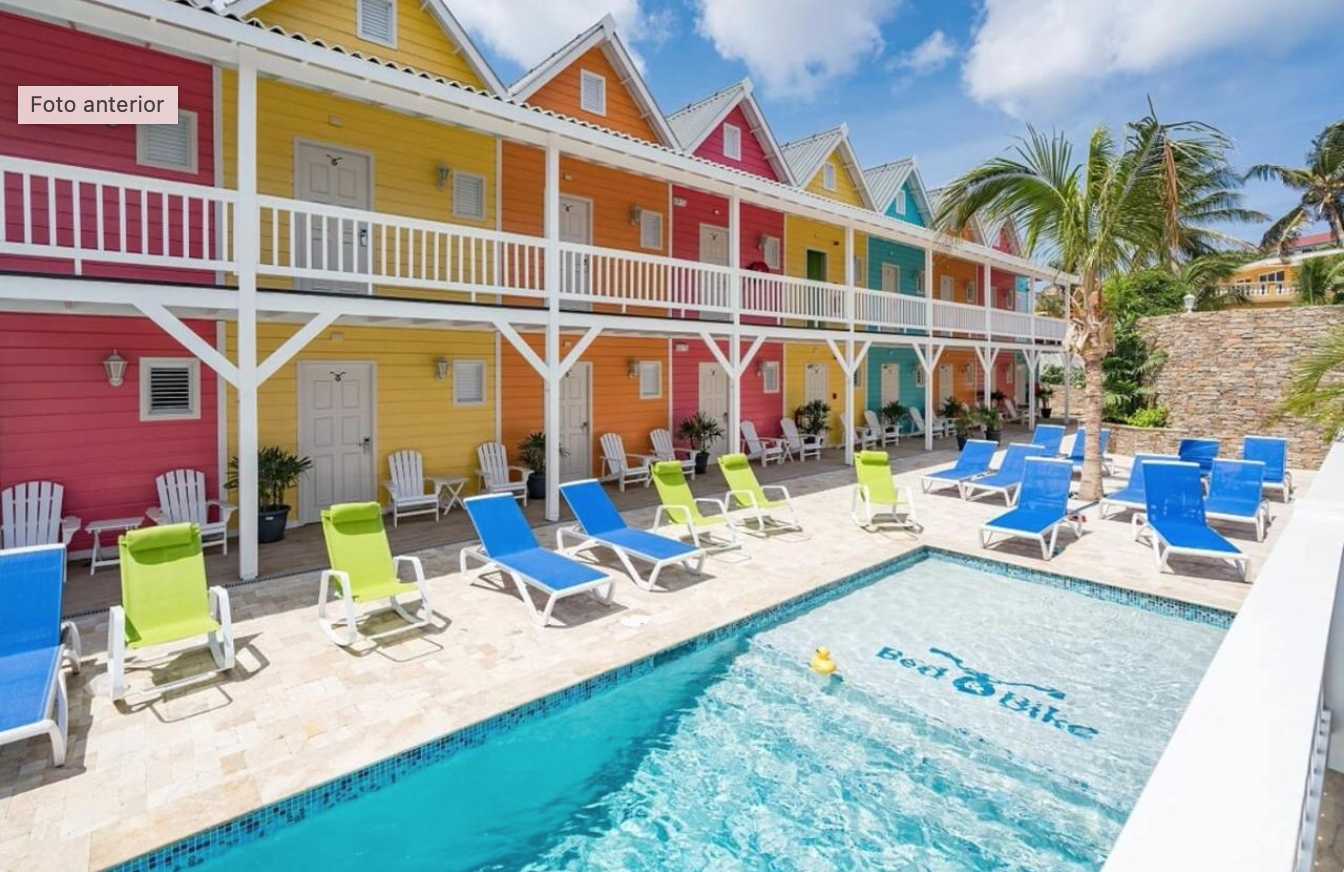
Is it worth staying at the Bed & Bike Hostel in Curaçao? Traveler reviews

Is it worth staying at the Bed & Bike Hostel in Curaçao? Traveler reviews

Home 9 Tag: travel to Curaçao

If you're planning a trip to Curaçao and looking for affordable, modern, and well-located accommodations, you'll likely find the Bed & Bike Hostel to be a tempting option. But is it really worth it? In this article, we’ll break down the pros and cons of the hostel, based on the experiences of many travelers who’ve already stayed there.

Benefits of Staying at Bed & Bike Hostel

1. Strategic location:
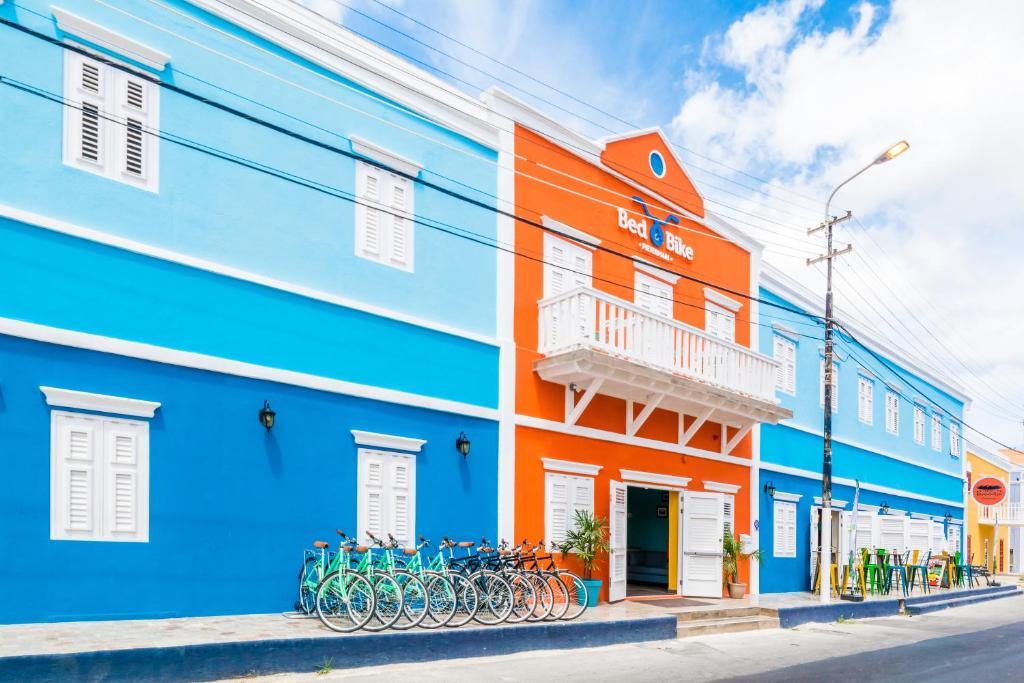
It is located in the heart of Pietermaai, one of the most vibrant and colorful neighborhoods in Willemstad. Just a short walk away, you'll find restaurants, bars, and the historic city center.

2. Bike rental included:
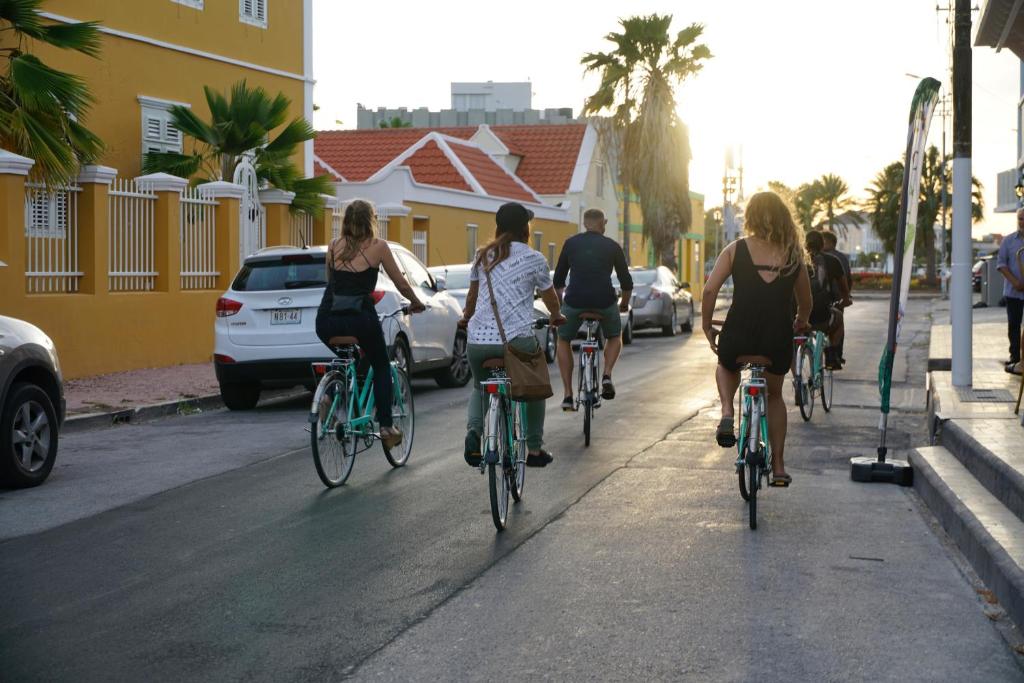
One of its biggest advantages is that bike use is included in the price of the accommodation. This is ideal for exploring downtown and getting around affordably.

3. Social and international atmosphere:
Perfect if you're traveling alone or want to meet people. The hostel organizes activities and has pleasant common areas, such as a kitchen, terrace, and bar.

4. Modern and clean rooms:
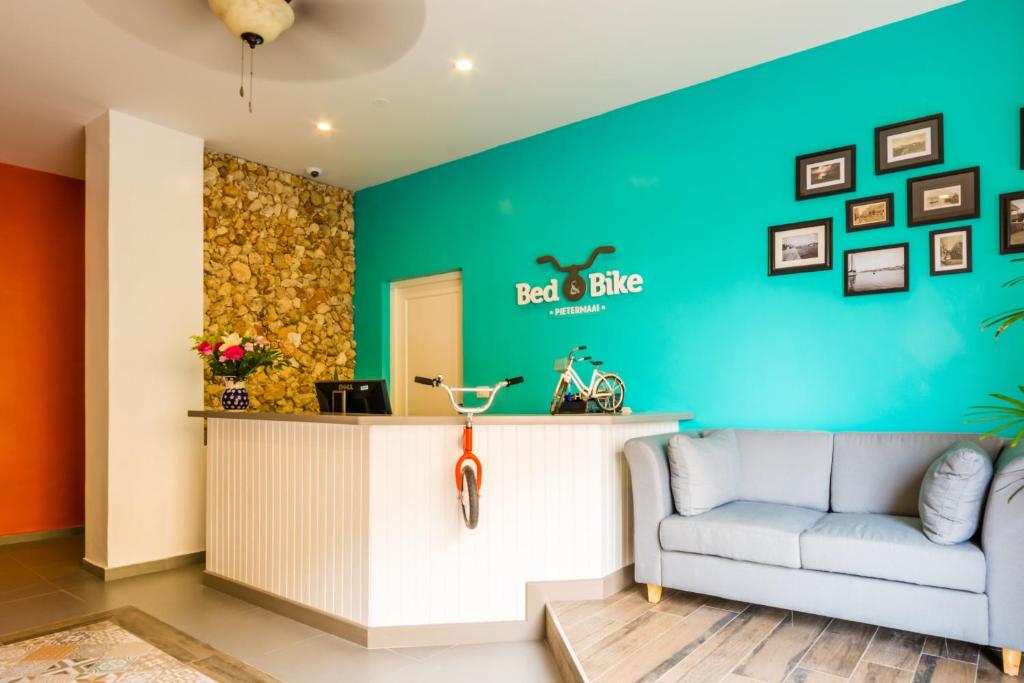
Whether in shared dorms or private rooms, many travelers highlight the cleanliness and modern design.

5. Good value for the money:
Compared to traditional hotels, Bed & Bike offers very competitive rates without sacrificing comfort.

Disadvantages to Keep in Mind

1. It's not close to the beach:Although it's in a nice part of town, it's not right on the beach. The nearest beaches, such as Mambo Beach or Seaquarium Beach, require transportation.

2. Nighttime noise:
Due to its central location and lively atmosphere, some guests have mentioned noise during the night.

3. Breakfast not included:
Unlike other hostels, it does not include a free breakfast. However, you can use the shared kitchen.

4. Few green spaces or outdoor areas:
If you're looking for nature or open spaces, this hostel is more urban and focused on social life.

    Frequently Asked Questions from Latin American Travelers About Bed & Bike Hostel

    1. Can we speak Spanish at the hostel?
    The staff speaks English and Dutch, but some employees and guests may speak Spanish. It's not essential to know English, but it helps.

    2. Is there public transportation nearby?
    Yes, there are bus stops within walking distance. Even so, many people choose to use the bicycles provided or rent a car to explore beaches farther away.

    3. Is it safe for women traveling alone?
    Yes, it's a safe area, and the hostel has a friendly atmosphere. There are women-only rooms available.

    4. Can you cook at the hostel?
    Yes, the kitchen is well-equipped and available to all guests.

    5. What kind of travelers stay there?
    Mainly young people, backpackers, digital nomads, and couples looking for a good location and reasonable prices.

    Bed & Bike Hostel is an excellent choice if you're looking for affordable, centrally located accommodations with a great atmosphere in Curaçao. It's not for those seeking luxury or direct access to the beach, but it is perfect for travelers who want to connect with others, explore Willemstad by bike, and save on lodging.

    🌴 Tip: Book in advance, especially during peak season.

    Curaçao: Complete Travel Guide with Updated Frequently Asked Questions (FAQ)

    Curaçao: Complete Travel Guide with Updated Frequently Asked Questions (FAQ)

    Curaçao: Complete Travel Guide with Updated Frequently Asked Questions (FAQ)

    Home 9 Tag: travel to Curaçao

    ABOUT CURAZAO

    Curaçao is a Caribbean island that combines picture-perfect beaches, a vibrant culture, and an impressive tourism infrastructure. But if you’re thinking about traveling there, you’re probably wondering: Do I need a visa? Which beaches should I definitely visit? Is it safe? This FAQ-style guide is designed to give you clear, quick, and helpful answers. Whether you’re looking for advice on transportation, food, lodging, or activities, here’s everything you need to plan your trip to Curaçao like a true expert.

    TOURS IN CURAZAO

    HOTELS IN CURACAO

    ADMISSION AND DOCUMENTATION

    Do I need a visa to enter Curaçao?

    Citizens of the EU, the U.S., Canada, the United Kingdom, and most Latin American countries (such as Argentina, Chile, and Mexico) do not need a visa for tourist stays of up to 90 days.

    Travelers from countries such as Cuba, Haiti, or Venezuela do need a visa. Check with the nearest consulate or on Curaçao’s official immigration website.

    Read my guide to the Requirements and Documents Needed to Visit Curaçao

    ARRIVAL IN CURAZAO

    Which airlines fly to Curaçao?

    • From South America: Avianca, Copa Airlines, Wingo, Surinam Airways.

    • From the U.S.: American Airlines, JetBlue, Delta.

    • From Europe: KLM and TUI offer direct flights from Amsterdam.

    • There are also inter-island flights from Aruba and Bonaire operated by Divi Divi Air or EZAir.

    Are there ferries between the Caribbean islands?

    No. There is currently no international ferry service to Curaçao. Only flights.

    Read my guide to Flights to Curaçao

    MONEY AND COSTS

    What currency is used in Curaçao?

    • Antillean guilder (ANG). Its value is stable: 1 USD ≈ 1.75 ANG.

    • The U.S. dollar is widely accepted at hotels, restaurants, and in taxis.

    Can I pay by card?

    Yes. International credit cards (Visa, MasterCard, American Express) are accepted. Not all places accept debit cards or contactless payments.

    Is Curaçao expensive?

    • Accommodations: From $25 at hostels to $300+ at resorts.

    • Food: From $10 at local eateries to $50+ at gourmet restaurants.

    • Transportation: Car rentals starting at $30/day. Local bus ~$1 USD.

    Read my guide to Curaçao's new currency in 2025

    TRANSPORTATION ON THE ISLAND

    Do I need to rent a car?

    It's not mandatory, but it's highly recommended if you want to explore secluded beaches or get around freely. Public transportation is limited and infrequent.

    Is there an Uber?

    No. There is no Uber or other similar apps in Curaçao. Only traditional taxis (fixed rates, no meter).

    How does public transportation work?

    • There are two types of minibuses: official "Konvoi" and informal "buses."

    • They don't have set hours.

    • They're cheap, but slow and unpredictable.

    • They don't operate at night.

    Read my guide to Transportation in Curacao

    BEACHES AND NATURE

    What are the best beaches?

    • Kenepa Grandi Beach (Grote Knip): Scenic, turquoise waters, free.

    • Cas Abao: Private beach, ideal for snorkeling ($6 admission per car).

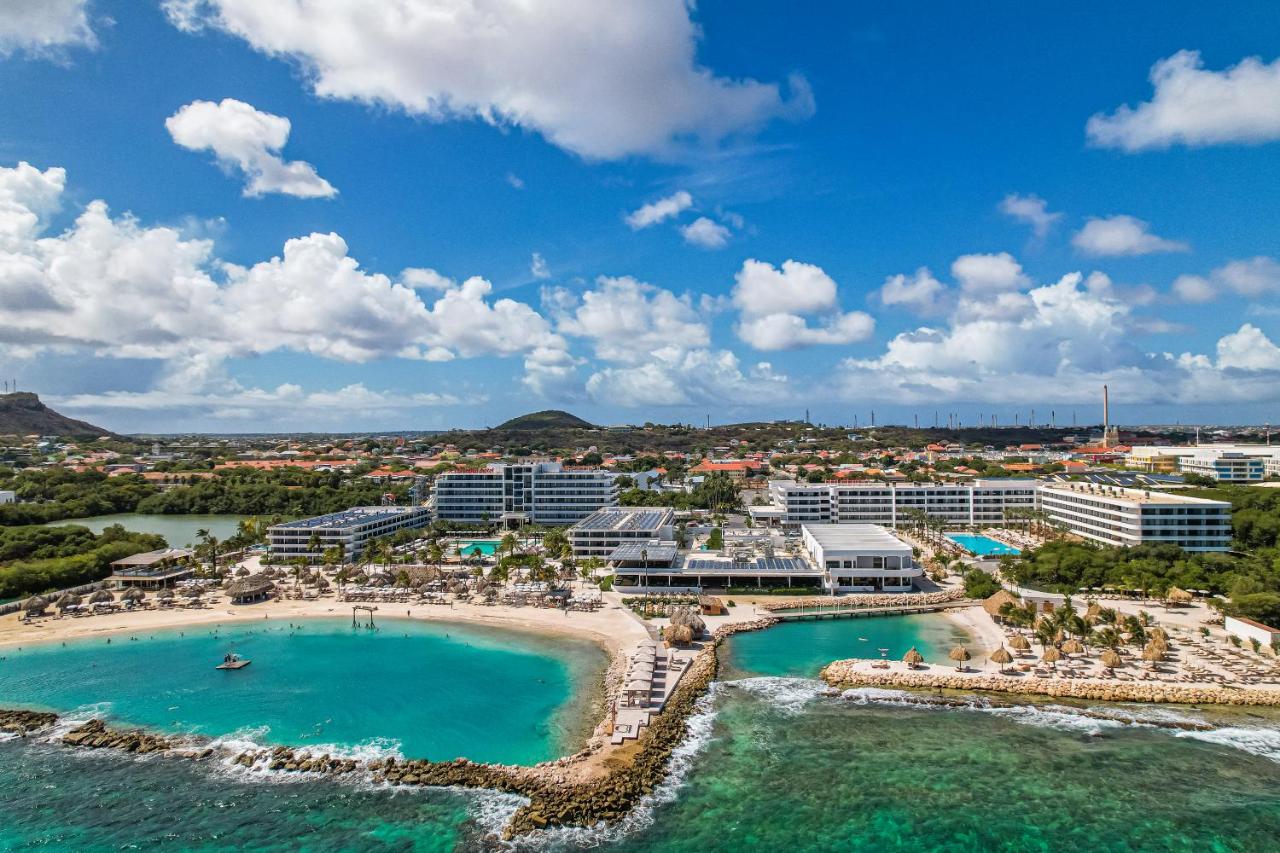
    • Mambo Beach: Popular, with bars and amenities; admission is free, but you have to pay for chairs.

    • Lagun Beach: Quiet, ideal for seeing turtles.

    • Porto Mari Beach: Beautiful, with cold beer and great diving.

    Is it possible to go snorkeling or scuba diving?

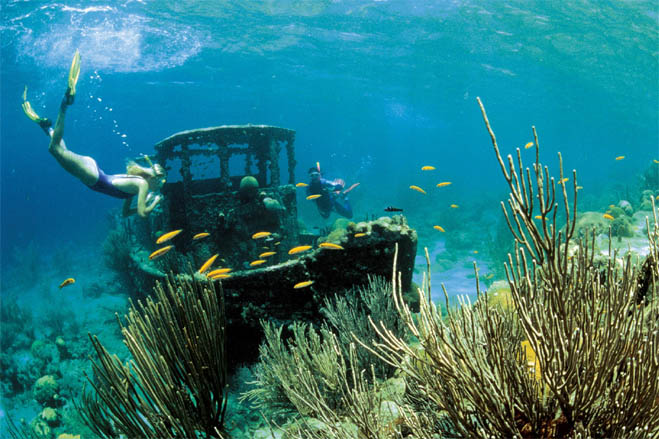
    Yes, and that's one of the main attractions. Places like Tugboat, Mushroom Forest, and Playa Kalki are perfect. There are dozens of certified diving schools.

    Read my guide to itineraries in Curaçao

    CULTURE AND CUISINE

    What language is spoken there?

    • Papiamento (local creole language).

    • Spanish, English, and Dutch are also widely spoken.

    What are some typical dishes?

    • Keshi Yena: cheese stuffed with meat or chicken.

    • Stobá: beef or goat stew.

    • Pastechi: stuffed empanadas.

    • Stewed iguana: exotic, yet traditional.

    • Bolo Pretu: fruit and rum cake.

    Where can I find good food?

    • Plasa Bieu in Willemstad: local cuisine and affordable prices.

    • The Gouverneur de Rouville: canal views, excellent Creole cuisine.

    • Baoase Culinary Beach Restaurant: upscale, perfect for romantic dinners.

    Read my guide to traditional food in Curaçao

    ACCOMMODATIONS

    Where's the best place to stay?

    • Willemstad (Punda/Otrobanda): centrally located, ideal for getting around on foot and exploring its history.

    • Jan Thiel: a modern tourist area with resorts and nightlife.

    • Westpunt: secluded, nature, and pristine beaches.

    Are there any affordable options?

    Yes. Hostels, guesthouses, and Airbnbs starting at $25–40 per night.

    Read my guide to accommodations in Curaçao

    CONNECTIVITY

    How can I get Internet access in Curaçao?

    • Many accommodations offer free Wi-Fi.

    • You can buy a local prepaid SIM card (Digicel or Flow) for about $10 USD with data.

    • Or use international roaming, but it can be expensive.

    Read my guide on how to buy a SIM card in Curaçao

    HEALTH AND SAFETY

    Is Curaçao safe?

    Yes, it's one of the safest destinations in the Caribbean. But please take the following precautions:

    • Don't leave valuables in cars or on beaches.

    • Avoid walking alone at night in isolated areas.

    • Use ATMs in public places and during the day.

    Do I need any vaccinations?

    There are no mandatory vaccinations for entry. However, the following are recommended:

    • Yellow fever (if you are coming from an endemic area).

    • Basic vaccinations up to date (hepatitis A/B, tetanus).

    Is tap water safe to drink?

    Yes. The water in Curaçao is 100% safe to drink and of high quality. It is produced through desalination.

    EVENTS AND NIGHTLIFE

    When is the Curaçao Carnival?

    Between February and March. It lasts several weeks and features colorful parades, concerts, and street parties.

    Is there a nightlife scene?

    Yes. Especially in Mambo Beach and Jan Thiel. Bars like Wet & Wild, Zanzibar, and Hemingway are popular.

    Read my guide to nightlife in Curaçao

    CLIMATE AND BEST TIME OF YEAR

    What is the climate like in Curaçao?

    • Dry tropical climate. Average temperature: 28–32°C year-round.

    • Dry season: January through September.

    • Light rain: October through December (doesn't affect tourism much).

    Is it in the hurricane path?

    No. Curaçao is outside the hurricane belt, which is why it's an ideal destination year-round.

    Read my guide to the weather in Curaçao

    FINAL TIPS

    • Wear biodegradable sunscreen: it helps protect the reefs.

    • Do not touch or take any coral, shells, or starfish.

    • Bring water shoes: some beaches are rocky.

    • Learn a few words in Papiamento: “Bon bini” (welcome), “danki” (thank you), “por fabor” (please).

    • Respect nature: many areas are marine reserves.

    THE BEST OF CURACAO

    Cost of Living and Prices in Curaçao

    Cost of Living and Prices in Curaçao

    travel to Curaçao

    Home 9 Tag: travel to Curaçao

    Among the islands of the Dutch Caribbean, Curaçao is perhaps the most popular vacation destination. We welcome not only backpackers but also cruise ship tourists, summer vacationers, and retirees exploring options for a peaceful life. The truth is, if there’s one place that’s perfect for a wonderful vacation or for transitioning to a peaceful lifestyle, Curaçao is at the top of our list.

    On this page, I'll share tips for traveling to Curaçao, advice on planning a realistic budget, and instructions on how to book a vacation in Curaçao.

    CURRENCY AND PAYMENT METHODS

    How to Pay in Curaçao

    The official and local currency of Curaçao is the Caribbean Florin. However, the U.S. dollar is also accepted everywhere. You can pay with Visa and Mastercard almost everywhere, and there are also many ATMs in the city center. Many tourists find that ATMs charge high fees per transaction, so it’s best to withdraw the maximum amount the first time to ensure you have enough cash and avoid extra fees for each transaction.

    Tip: Consider using cash for tips, to pay for beach chairs, or to use public transportation, and pay with a card at restaurants, hotels, or tourist attractions.

    ACCOMMODATION COSTS

    The cost of lodging in Curaçao varies depending on the area and the amenities or luxuries the property offers its guests. The big advantage is that there is no shortage of lodging in Curaçao, which means there is a wide range of prices. Therefore, not only is it possible to stay at expensive resorts or all-inclusive hotels, but there are also budget hostels and studio apartments. During the off-season, you can rent a room for as little as $20 per night.

    The best option for affordable accommodations in Curaçao is to rent an apartment, studio, or Airbnb. You can often find good deals if you book early.

    When it comes to hotels, contacting them directly can be complicated, so booking through Booking.com, Expedia, or Airbnb is always the easiest option. Also, booking early can make a big difference in your budget for a trip to Curaçao. Keep in mind that if you book at the last minute, the most affordable accommodations will already be booked.

    Without a doubt, the total cost of a vacation will depend on several factors, such as the type of hotel you plan to stay at, the cuisine you prefer, the tours you plan to book, or even the mode of transportation you use. That’s why, in this guide, I’ll break down the prices based on the choices you make. You can spend a lot of money if you plan a trip with all the luxuries, or you can choose a simple vacation and spend only what’s necessary while still enjoying a dream trip.

    First, here are a couple of tips if you want to save money: Stay at a budget hotel that includes breakfast, so you can spend your money on experiences.

    Below is my list of recommended hotels by area and price range.

    HOTELS IN WILLEMSTAD

    HOTELS IN SINT MICHIEL AND WESTPOINT

    PRICE RANGE: $50 - $100

    Oceanview B&B
    Landhuis Klein Santa Martha Boutique Hotel Restaurant
    The Natural Curacao
    Daniel

    PRICE RANGE: $100 - $150

    Sunny Apartment Blije Rust
    Casa Blanca Vacation Home
    Sunhouse Curacao

    PRICE RANGE: $150 +

    Coral Estate Luxury Resort
    Coral Estate Holidays
    Sandcastles & Sunshine at Blue Bay Golf & Beach Resort
    Lagun Blue Resort
    Villa Del Sol Ocean View

    FOOD PRICES IN CURAZAO

    The average cost of a meal and drink in Curaçao is $35.00 per day for one person. A street meal in Curaçao costs about $5-$10 dollars.

    A dinner for two people in a restaurant would cost an average of $80 - $100 dollars. A lunch in a cafeteria or mid-range restaurant would cost you about half as much.

    A bottle of water in Curaçao costs $1.70, approximately. A soft drink costs about $1.5 dollars, if you buy it in a supermarket.

    A beer will cost you between $2 and $5 if you buy it at a bar. Cocktails with alcohol in bars and nightclubs cost approximately $10 per cocktail.

    GO TO THE SUPERMARKET

    In Curaçao there are several options of supermarkets and grocery stores. Of course, it is important to take distance into account, but if transportation and distance are not a problem, it is also good to keep in mind that some supermarkets have better prices than others.

    In Curaçao there are also so-called"tokos," which are grocery stores mostly managed by Chinese nationals. There you can always get the basics, canned goods, drinks and toiletries. Some larger ones are called mini-markets, where you will find almost the same as in a supermarket, but perhaps the price will be a couple of guilders more expensive.

    The best-known supermarkets in Curaçao are: Van den Tweel (in Jan Thiel and Zeelandia), Centrum (in Mahaai and Piscadera), Mangusa (on Rio Canario and in Cas Cora), Esperamos (in Santa Maria), Vreugdenhil (near Schubappelweg), and others less popular among tourists, such as Bon Bini (on Jongbloed).

    Some supermarkets carry specific brands; for example, Van den Tweel and Centrum tend to offer more products from Dutch brands, while Mangusa carries more products that are well-known in Latin America.

    EATING OUT IN CURAZAO

    Depending on the length of the vacation, the option to go out to eat may or may not be practical. For a short vacation, it is the best. For a long vacation, it can be expensive. In any case, I would recommend renting an Airbnb with a kitchen so that you can prepare your own meals when going out to eat is not necessary. Prices vary according to the type of food in each restaurant. From a quick meal in a"truck di pan" to a romantic dinner in a restaurant. I invite you to read my guide to restaurants in Curacao.

    AVERAGE COST OF FOOD AND BEVERAGES IN CURAZAO*

    Below is a guide to approximate prices for food and beverages. On average, you can spend up to $30 USD per meal. If you go to a restaurant, you will definitely want to buy a cocktail / juice (smoothie), a main course and maybe a dessert.

    Tip: Check if your hotel or Airbnb offers breakfast in your reservation. This will also help you save money. If breakfast is not included, then consider budgeting at least $35 per day for meals, per person.

    *For your reference, I've listed the prices in U.S. dollars.

    Croissant: $3 USD
    Toasted bread with cheese: $4 USD
    Toasted bread with ham: $4 USD
    Arepitas with cheese: $9 USD
    Chicken nuggets: $5 USD
    Mozzarella cheese sticks: $6 USD
    Portion of french fries: $5 USD
    Portion of garlic bread: $5 USD
    Chicken burrito: $10 USD
    Tuna sandwich: $9 USD
    Chicken sandwich: $9–$10 USD
    Chicken wings: $12 USD

    Chicken fillet: $15–17
    Pasta Alfredo: $16–18
    Grilled salmon: $22–25
    Pork tenderloin: $22–$24
    Hamburger: $10–$12
    Double hamburger: $15
    Chicken burger: $14

    Beer: $5 USD - $7 USD, depending on the brand. The most expensive brands are Heineken and Amstel Bright. The least expensive brands are Polar and Amstel.

    Soft drinks*: $3 USD (Coca-Cola, Pepsi, and other flavors). *Soft drinks arealso called "limonadas. "In some parts of Latin America, the term "limonada" refers to a drink made with water, lemon, and sugar.

    Cocktails: $10 USD (piña colada, mojitos, daiquiris, margaritas, etc.)
    Wines: $5 USD per glass / $22 USD - $25 USD per bottle.

    The so-called "truck di pan" are famous and popular in Curaçao. Although they only sell fast food, they are popular because it is a quick and economical way to eat and is cheaper than going to a restaurant and more convenient than cooking. The image below is a model of the menu of one of the most popular "truck di pan" in Curaçao, known as BBQ Express:

    And here is the menu and prices in florins (2022 prices):

    There is a wide range of accommodations on Curaçao, and as a Caribbean paradise island, the cost of staying at Curaçao’s large hotels can be quite high due to all the amenities they offer.

    However, it's not as if your only options are expensive resorts or all-inclusive hotels. There are also budget hostels and Airbnb listings that can fit your budget. Accommodations are available starting at $30 per night.

    Below is a comparison of available accommodations by price range:

    TRANSPORTATION COSTS IN CURAZAO

    Public transportation: Curaçao has a public bus network, although it is very limited. There are buses to the West End (Willemstad) that depart from Otrobanda and buses to the southeast that depart from Punda (also in Willemstad). The fare is around 2.40 ANG.

    Bicycle: Although Curaçao is a Dutch colony, it’s surprisingly difficult to get around here by bicycle. Renting a bicycle costs about 40 ANG per day (30 ANG if you rent it for a week or more).

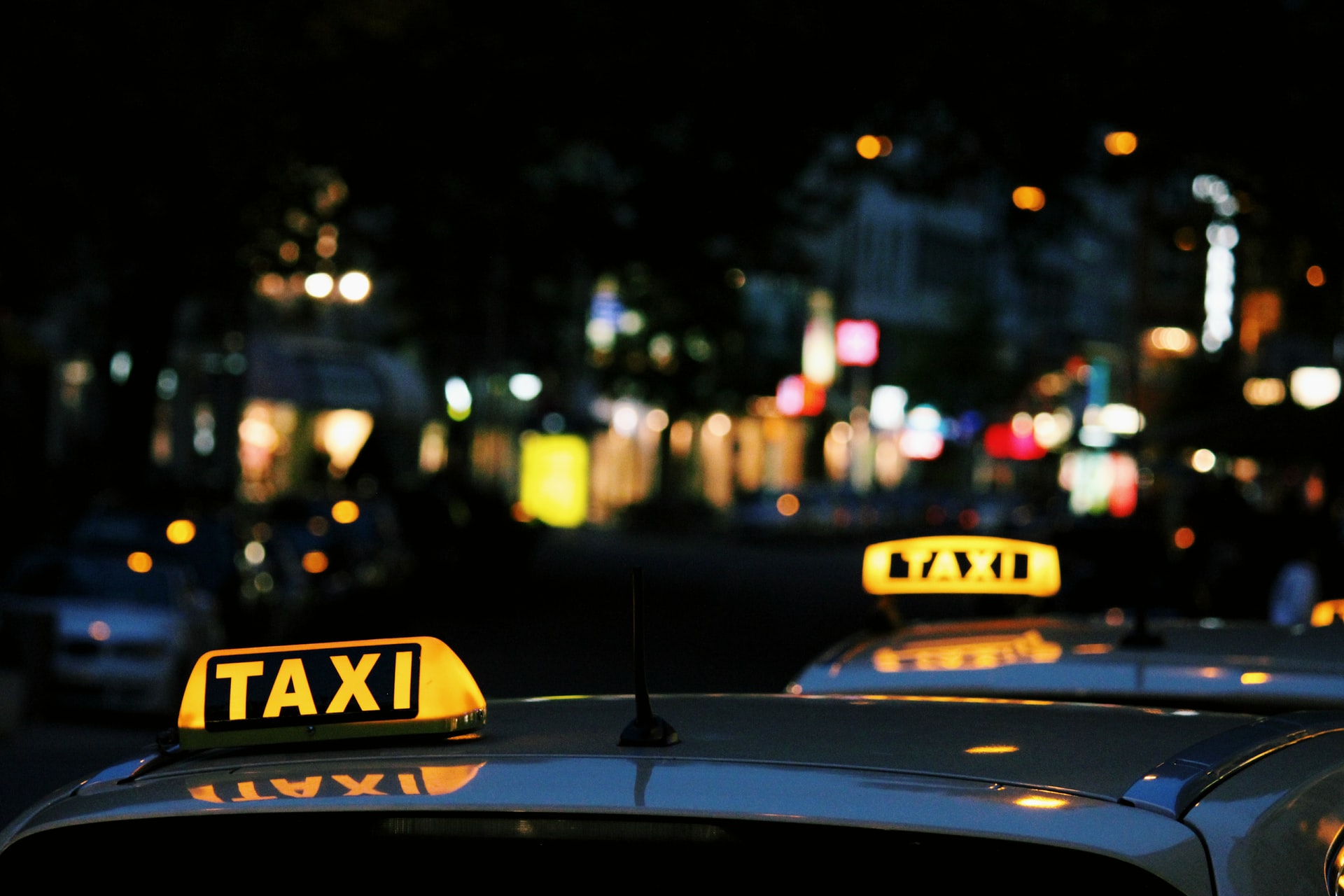
    Taxi: Taxis in Curaçao are safe and reliable. Although not all of them have meters, most have fare charts that are always visible from the passenger seat. They’re the best way to get around Willemstad, since longer trips cost much more. Compared to the bus, they’re very expensive, so I don’t recommend them if you’re on a tight budget.

    From Curaçao International Airport, you can take a taxi to the hotel. Depending on the hotel’s location, the fare will range from $35 to $70. If you’re traveling with your family, the price covers up to 4 people. If there are more than 4 people, there will be an additional charge (25%) of the fare. If you’re traveling alone, the best option is to take a shared ride (or shuttle). Tip: Check with the hotel in advance to see if they offer a free shuttle service. That way, you can save on this expense.

    If you're staying in Willemstad, you can take a minibus from the Punda bus station to Mambo Beach or the Seaquarium area. You can also take a bus from the Otrobanda bus station to the beaches at Westpunt.

    Tip: Bring cash (florins or dollars) when traveling by bus.

    Car Rental: Renting a car is one of the most economical and efficient ways to get around the island, and there are several major car rental chains at the airport. Rates are around $30–$50 per day for a multi-day rental. Drivers must be at least 21 years old (although some companies require drivers to be 23). To get the best rental rates, I recommend Discover Cars.